

NAASR's Mardigian Library Treasures — Mardigian Library Treasures
Treasures of NAASR's Mardigian Library: Armenian Christmas Special Installment

 This edition of Library Treasures will focus on a single item acquired in 2019: Inchpēs zardarel tōnatsaṙě = Ինչպէս զարդարել տօնածառը (How to decorate the Christmas tree), a 20-page booklet written by “Zaruhi” and published in Tiflis in 1910.
A New Addition to NAASR's Library: The First Armenian Printed Bible of Voskan Yerevants'i


This is the story of the 300-year journey of a remarkable book to our library.
Remembering and Celebrating Artist and Author Nonny Hogrogian (1932-2024)

 This issue will cover the life and illustrative work of Nonny Hogrogian.
The Art of Armenian Church Mural Painting

 In this edition of Library Treasures, we will highlight publications from the Mardigian Library collection that focus on murals of the Armenian churches.
Garabed Kaloustian: A Constantinople Armenian Doctor and the American Civil War ~ Treasures of NAASR's Mardigian Library

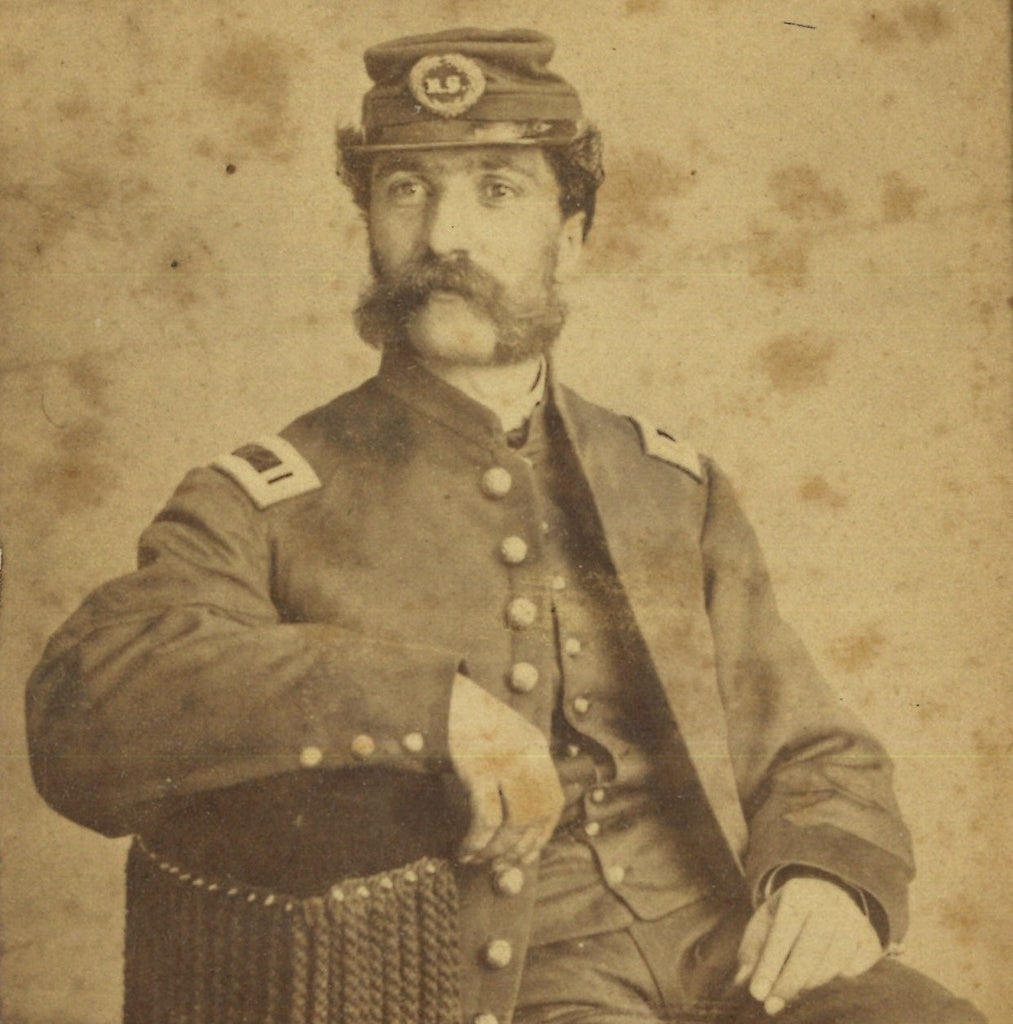 It has long resided in a folder within the Avedis Derounian Archive, which has been at NAASR since the early 1990s, inside an envelope labeled “Dr. Kaloustian,” but until recently we did not realize its significance, let alone that this year marks the 200th anniversary of this interesting individual’s birth.
Treasures of NAASR's Mardigian Library ~ Maps and Atlases

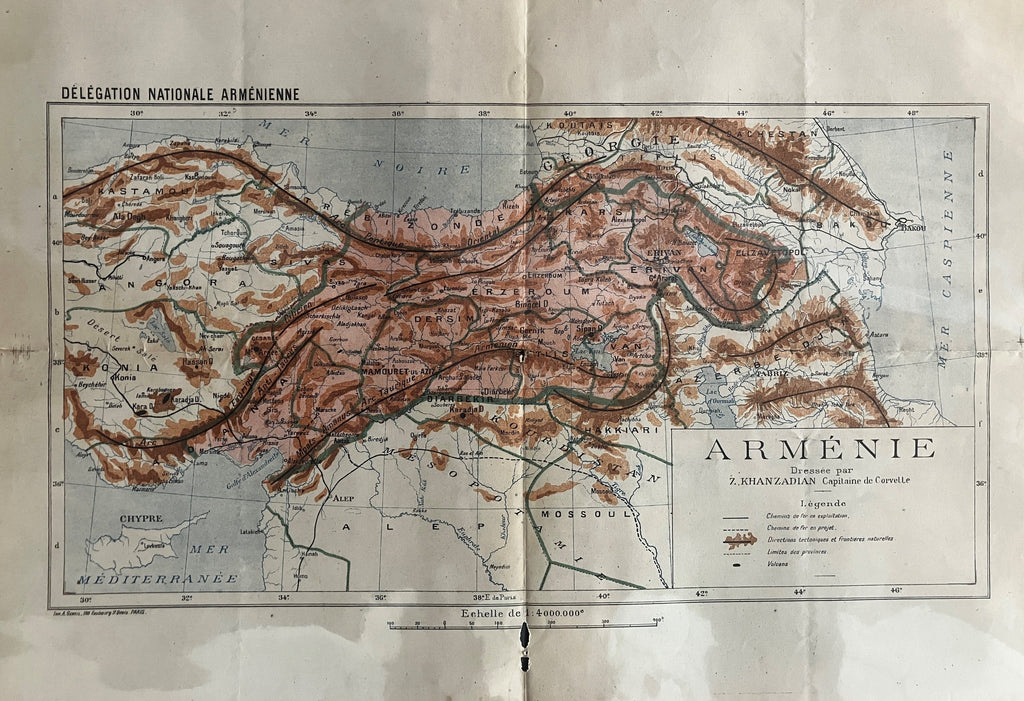 This Library Treasures feature is part of NAASR’s 2022 focus on Armenian maps and cartography which has been supported by a grant from the Dadourian Foundation. Throughout the year we organized three lectures on this topic which can be viewed on our YouTube channel: Rouben Galichian, “The Ever-Changing Borders of Armenia in Ancient and Modern Times: The Cartographic Record”; Matthew Karanian, “Mapping the Armenian Highland”; and Khatchig Mouradian, “Gas Balloons, Emperors, and Armenian Mapmakers: A Cartographic Journey through the Library of Congress’s Collections.”
E. A. Yeran: Pioneering Armenian-American Printer and Publisher, Part 2

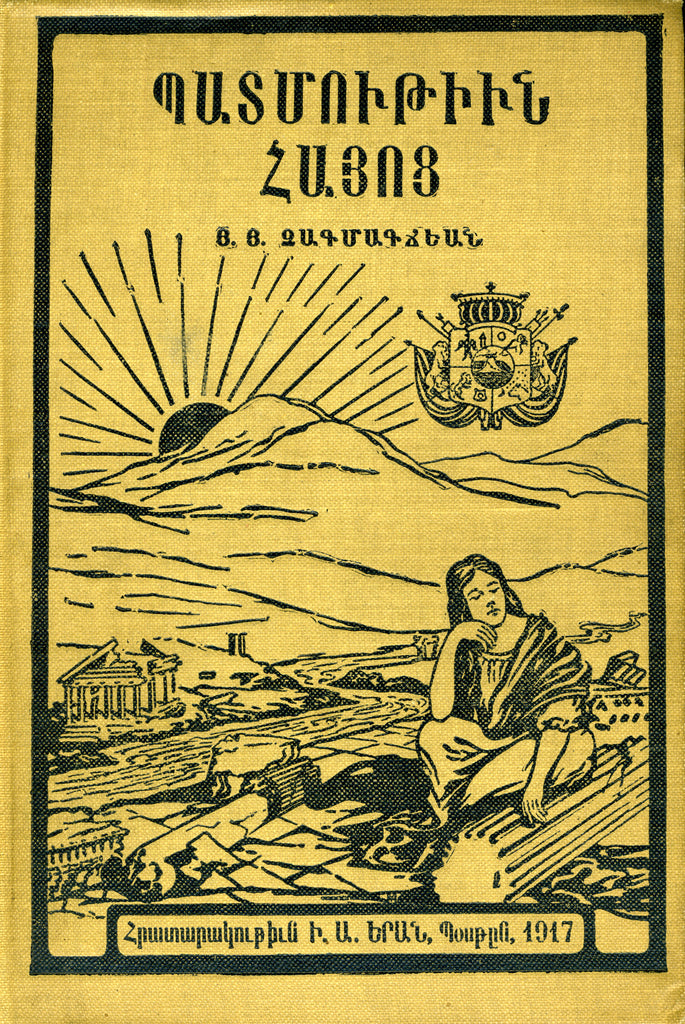 Part 1 of our Library Treasures feature on the work of Edward Arakel Yeran presented books published by his Yeran press through ca. 1915. Part 2 continues and brings to a conclusion this work.
E. A. Yeran: Pioneering Armenian-American Printer and Publisher, Part 1

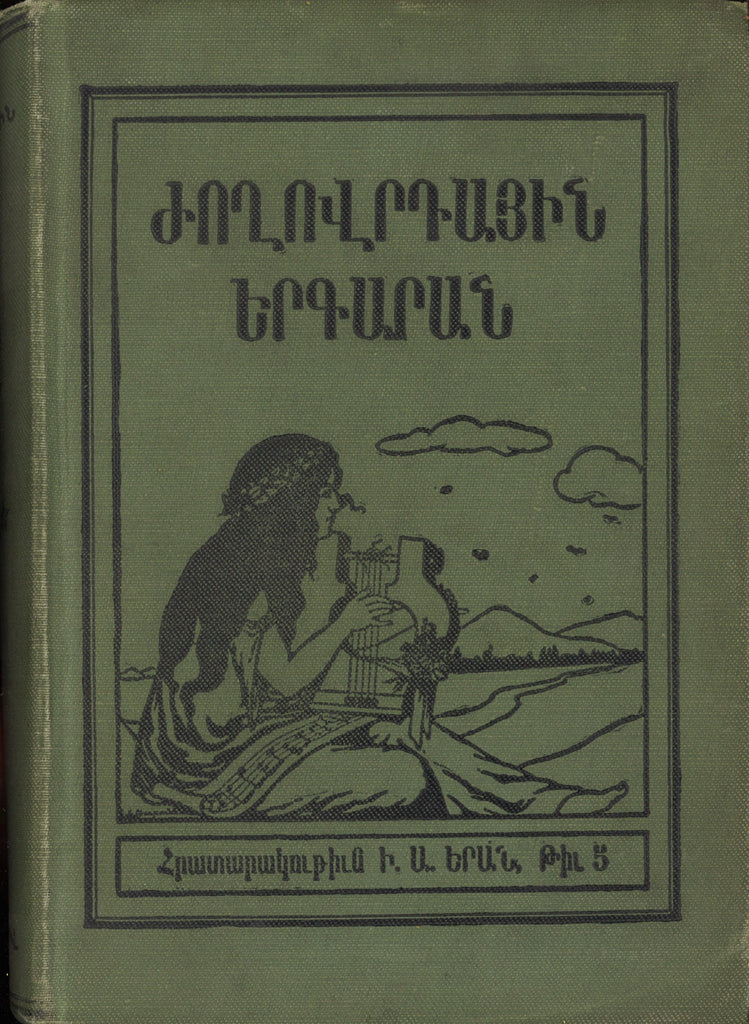 Although he was not the first Armenian-American publisher—that distinction belongs to Haigag Ēginian (Հայկակ Էկինեան)—occupying a special place among the early publishers stands E. A. Yeran and Yeran Press in Boston.
A Banquet for the Ages: The Civil and Military Missions of Armenia to the U.S. in Boston, 1919

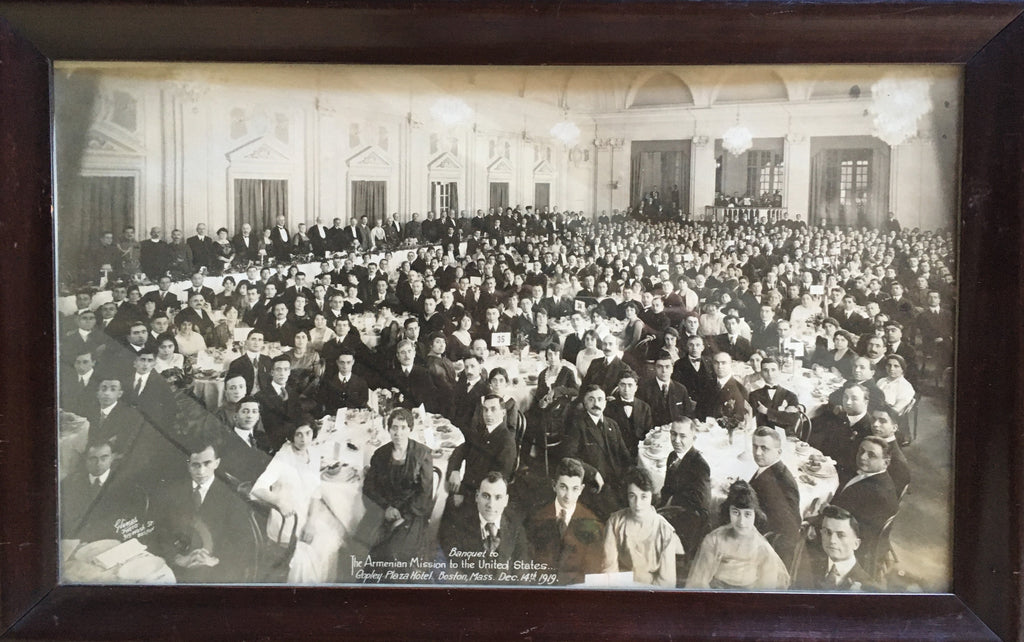 To mark May 28, the anniversary of the declaration of the first independent Republic of Armenia in 1918, we focus on one object from NAASR’s Mardigian Library.
Genocide Survivor Memoirs in Armenian & English, 1918-1955 ~Treasures of NAASR's Mardigian Library

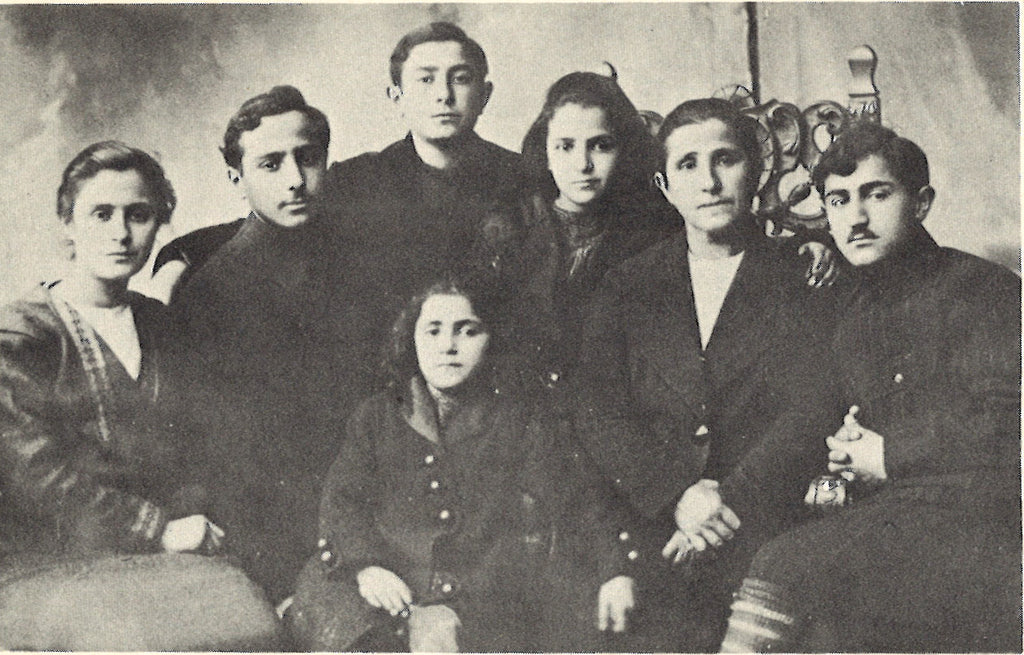 In this feature we highlight a group, by no means exhaustive, of memoirs by survivors of the Armenian Genocide published in Armenian and English between the years 1918 and 1955. In these memoirs we hear the voices of women and men, clergymen and political activists, natives of the eastern provinces of the Ottoman Empire and of western Asia Minor, Protestant and Apostolic, intellectuals and “average” women and men, as well as one non-Armenian, an Assyrian whose people suffered largely the same fate as the Armenians.