

Event Videos (2020–2025) — #NAASR
Literary Lights: All the Ways We Lied

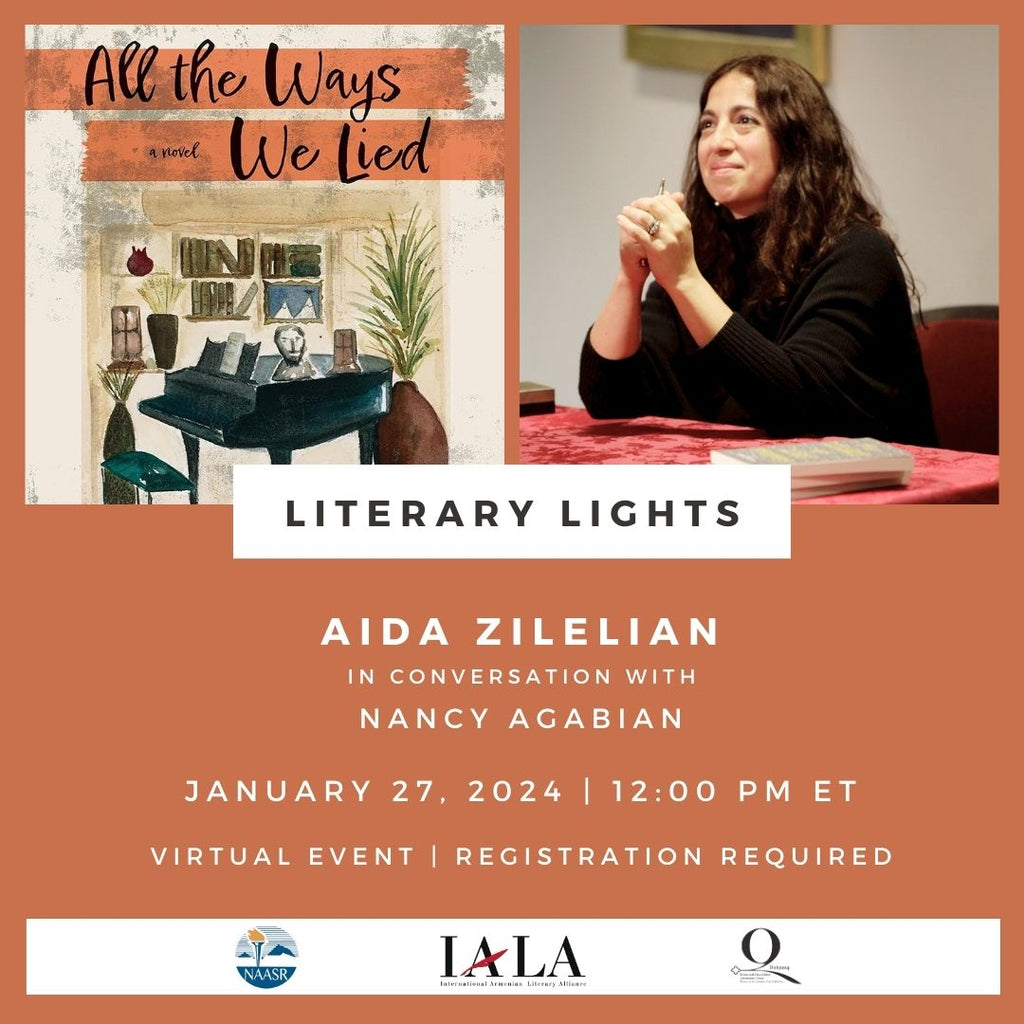 Literary Lights is a monthly reading series organized by the IALA, the National Association for Armenian Studies and Research (NAASR), and the Krikor and Clara Zohrab Information Center. The series features new works of literature by Armenian authors. Each event—held online—will feature a writer reading from their work, followed by a discussion with an interviewer and audience members.
Recreating Kharpert in Massachusetts

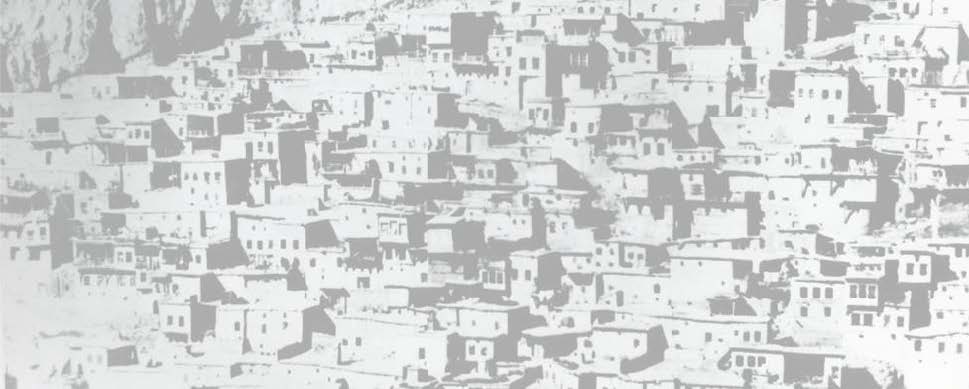 Having lost everything in their homeland—family members, homes, farms and businesses—they did their best to recreate Kharpert in Massachusetts as a coping mechanism for the trauma they endured in addition to helping them adjust to a strange new land and society.
Revealing the Murals of Amenaprkich Vank of New Julfa

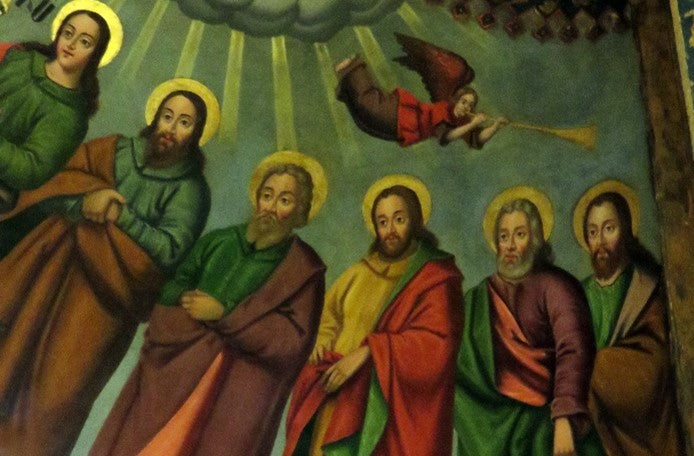 In this presentation, Ani Babaian talked about S. Amenaprkich Vank’s murals —the artistic styles, the artists, the projects to conserve the murals, and new findings discovered during the conservation process.
Artsakh: Loss, Trauma, and Restoration - Conference

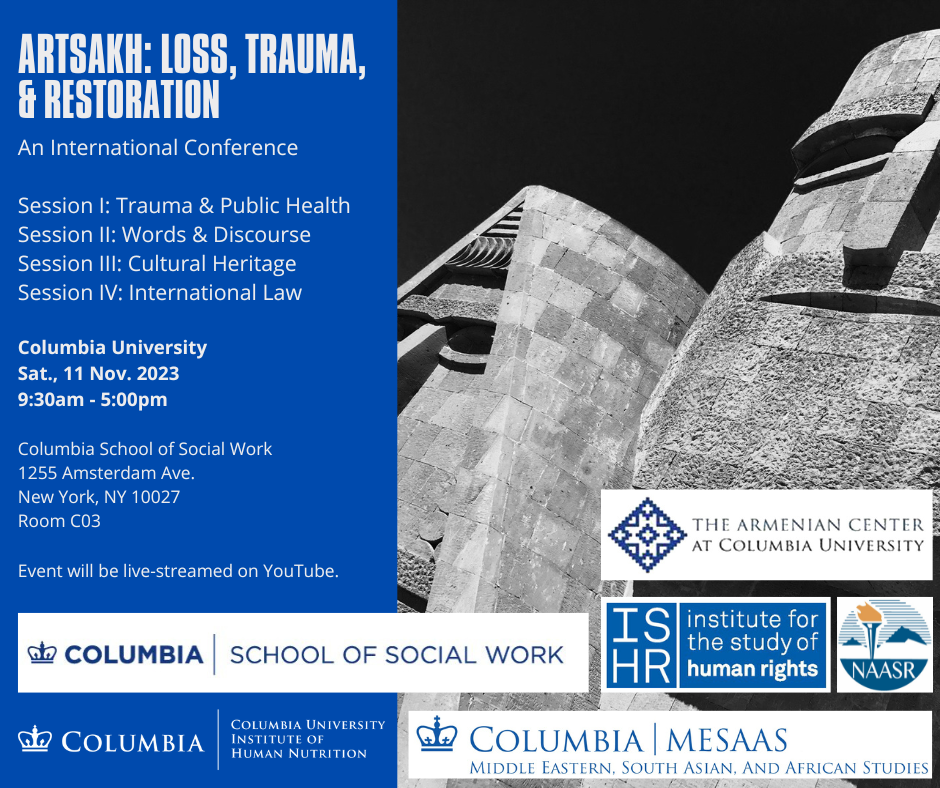 KEYNOTE SPEAKER: Geoffrey Robertson KC
SESSIONS
Session I: Forced Displacement, Trauma, and Public Health
Session II: Words and Discourse
Session III: Cultural Heritage
Session IV: International Law and Restoration
Jackie in the Near East

 The world premiere of the recently discovered lost film, “Jackie in the Near East,” a 1924 short film produced by the Near East Relief (NER) and featuring child-star Jackie Coogan, who helped raise millions of dollars in America for orphans of the Armenian Genocide.
Early Modernity & Mobility: Port Cities and Printers Across the Armenian Diaspora, 1512-1800

 Early Modernity & Mobility explores the disparate yet connected histories of Armenian printing establishments in early modern Europe and Asia. From 1512, when the first Armenian printed codex appeared in Venice, to the end of the early modern period in 1800, Armenian presses operated in nineteen locations across the Armenian diaspora.
Armenian Rebirth: The Last Plight

 An evening with Garo Paylan, a leading opposition voice and a human rights defender in Turkey, as he addresses the recent blockade of the Lachin Corridor, the military attack by Azerbaijan, and resulting ethnic cleansing of the entirety of Artsakh/Nagorno-Karabakh, ongoing acts of genocide, and potential steps moving forward.
A Comparative Study of the Armenian and Assyrian Genocides in the Ottoman Empire During the First World War

 In this presentation Anahit Khosroeva examines the main similarities and differences between the genocidal atrocities committed against the Armenians and Assyrians under late Ottoman rule. Based on various multilingual archival documents, diplomatic accounts, and eyewitnesses testimonies it can be seen that the crime committed against not only Armenians but also the Assyrians was intended to destroy these people as national, ethnic, racial or religious groups, in whole or in part.
How Western Armenian Came To Be: A Story of People, Purism, and Global Ideas

 This presentation by Jennifer Manoukian explores the emergence of the standard language known today as Western Armenian. In particular, it examines the intellectual labor that led to the acceptance of this language as the dominant written medium among Ottoman Armenians by 1915.
Atrocities, Genocide, and the Duty to Prevent and to Punish Under International Law: The Situation of Nagorno-Karabakh/Artsakh

 Looking at the situation with respect to attacks against ethnic Armenians as a result of the Lachin Corridor blockade, and recent active military attacks in Nagorno-Karabakh/Artsakh and in Armenia generally, this panel will explore the following key questions drawing from action taken thus far by States and international actors (or not):