
In this feature, we present a small sampling of two distinct collections from our holdings. The first highlights an archival collection that provides valuable depth and insight into an important published memoir of the Armenian Genocide. The second brings together books, posters, and archival materials centered on a single figure who has come to be one of the most widely known survivors of the Armenian Genocide.
These materials are preserved in NAASR’s Mardigian Library and stand as powerful evidence of the experiences of survivors of the Armenian Genocide and their enduring legacies, as well as the tenacity of the descendants who have worked to preserve the memories and materials that keep genocide survivors and victims alive.
This feature is dedicated to all those who shared their stories, as well as to those who could not; to those who survived, and to all who were lost—whether their final resting place is known or not.
From the Collection of Yervant (Edward) Alexanian
Yervant (Edward) Nishan Alexanian (1895–1983) was born in Sepastia (Sivas) shortly before the 1895 Hamidian massacres, the youngest of six children born to Nishan and Hunazant Alexanian. He was educated at a French Jesuit school, where he studied Armenian, French, and Latin.
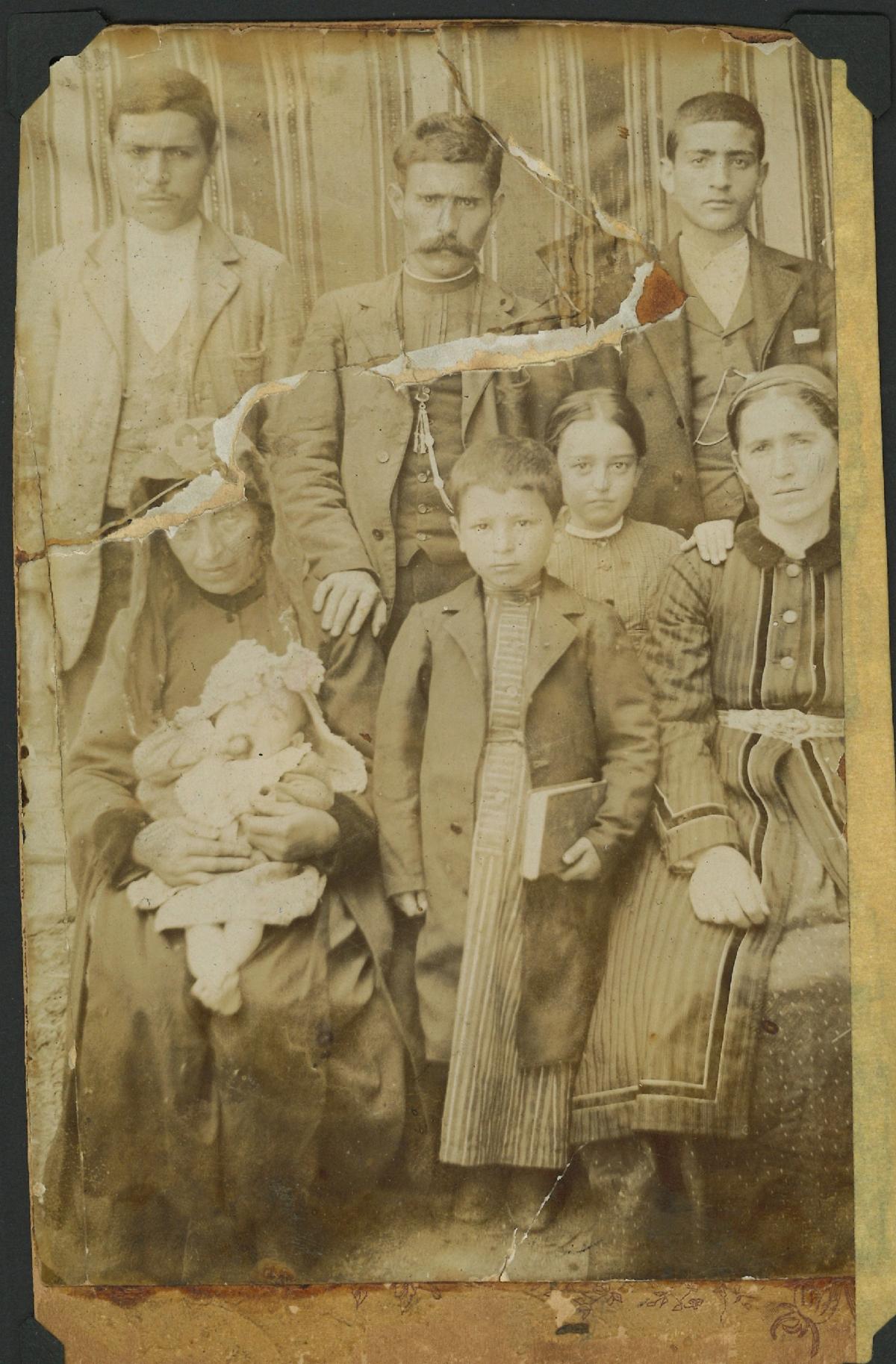
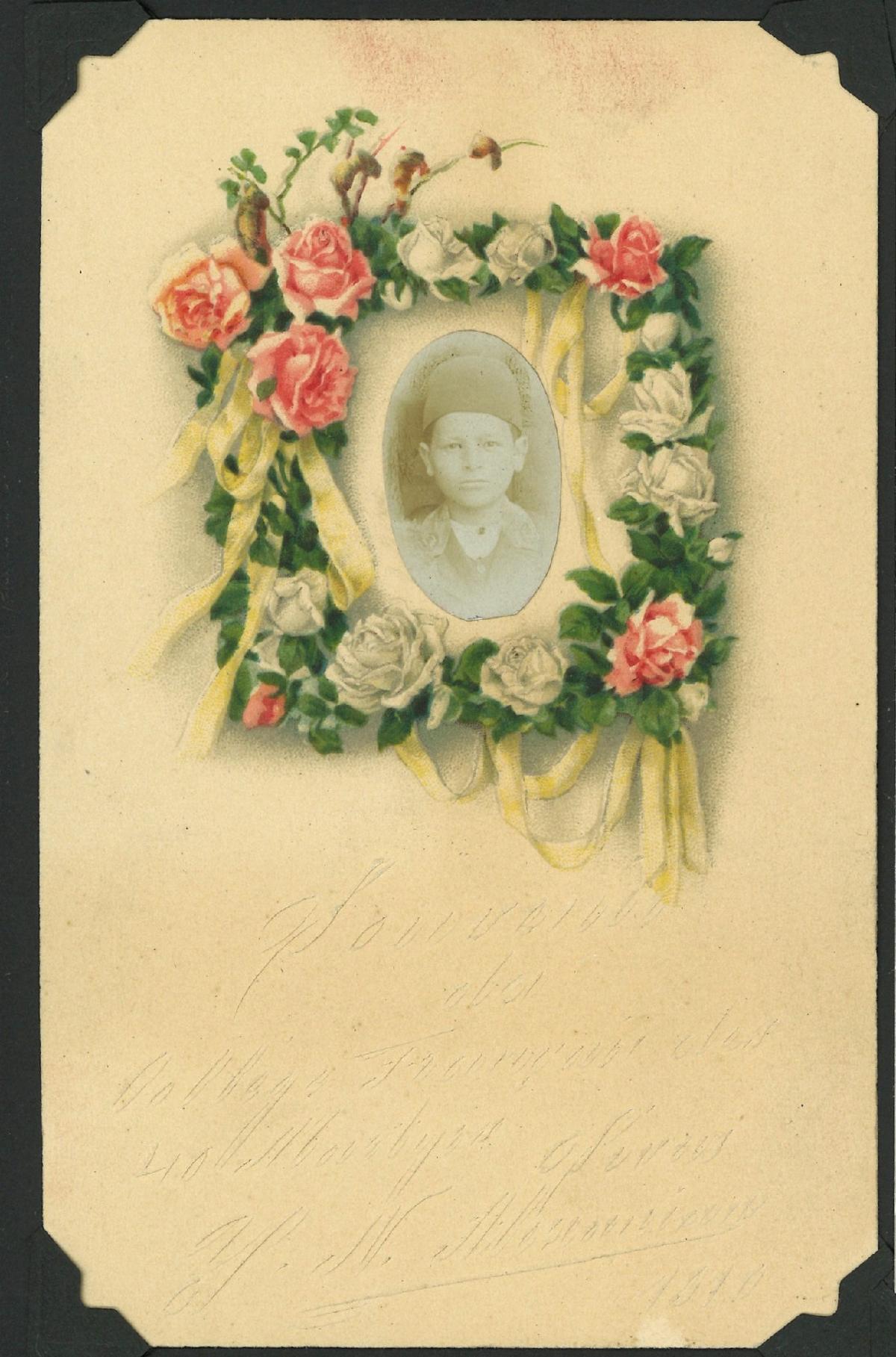
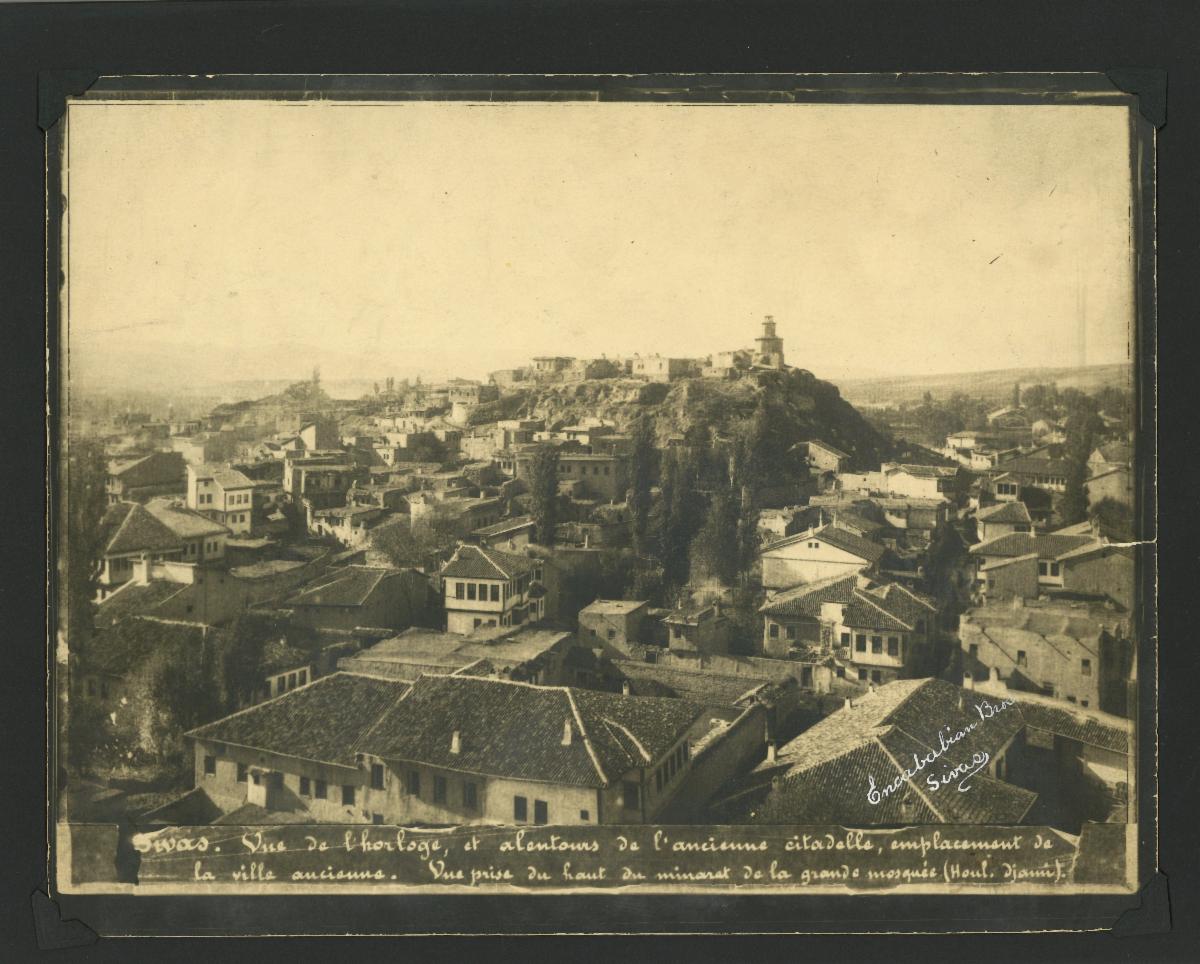
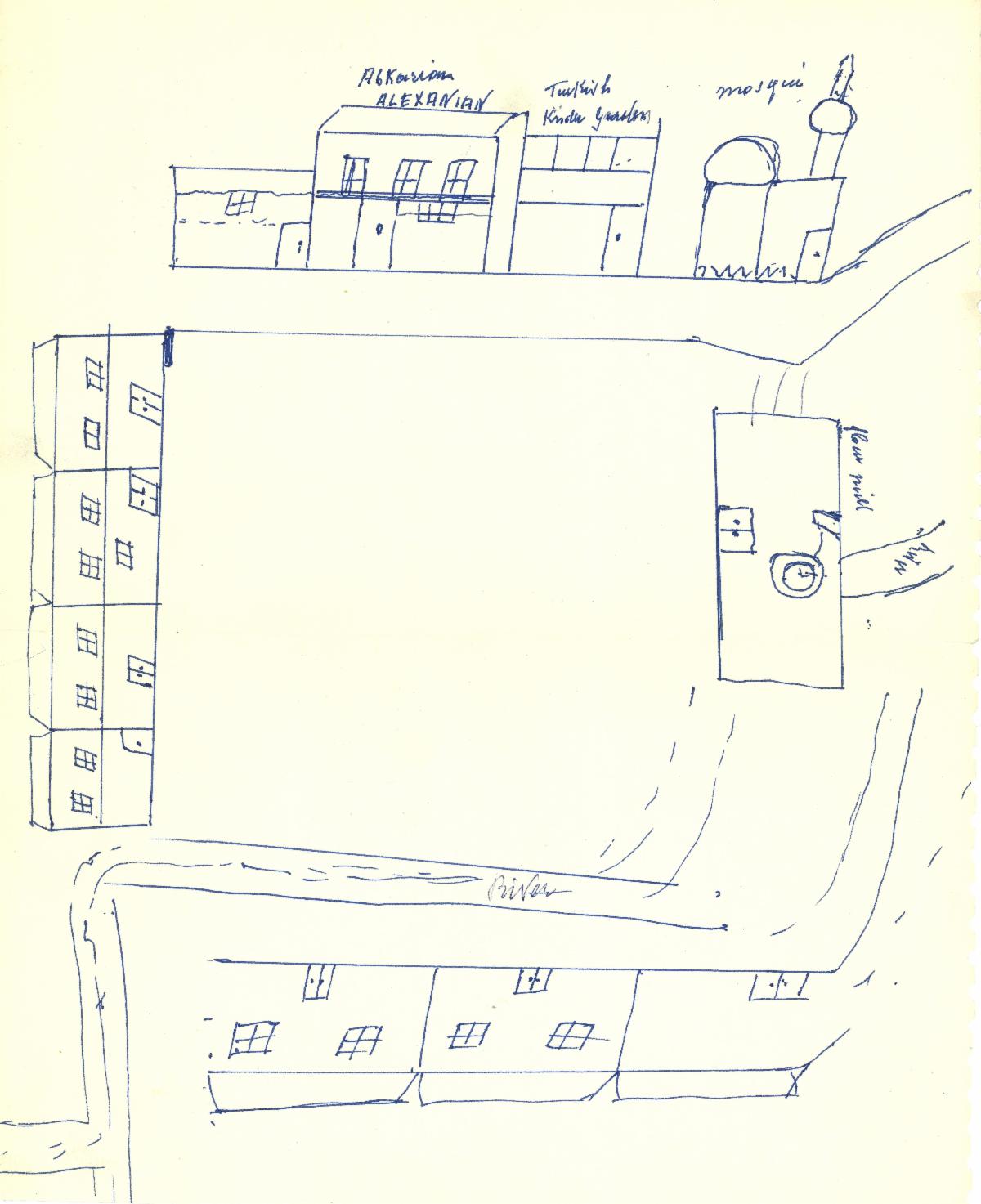
Today, the existence of Armenian quarters, cities, and monuments in this region is largely known only through photographs, documents, memoirs, and hushamdeans such as the two-volume Պատմագիրք յուշամատեան Սեբաստիոյ եւ գաւառի հայութեան (Patmagirk‘ hushamatean Sebastioy ew gawari hayut‘ean = History of the Armenians of Sebastia and Neighboring Villages) by Առաքել Ն. Պատրիկ (Arak‘el N. Patrik), published in 1974 and 1983.
During World War I, Yervant was conscripted into the Ottoman army and witnessed the Armenian Genocide from within its ranks. Through his journals and memoirs, he documented both the suffering of Armenians and the actions of Ottoman officials.
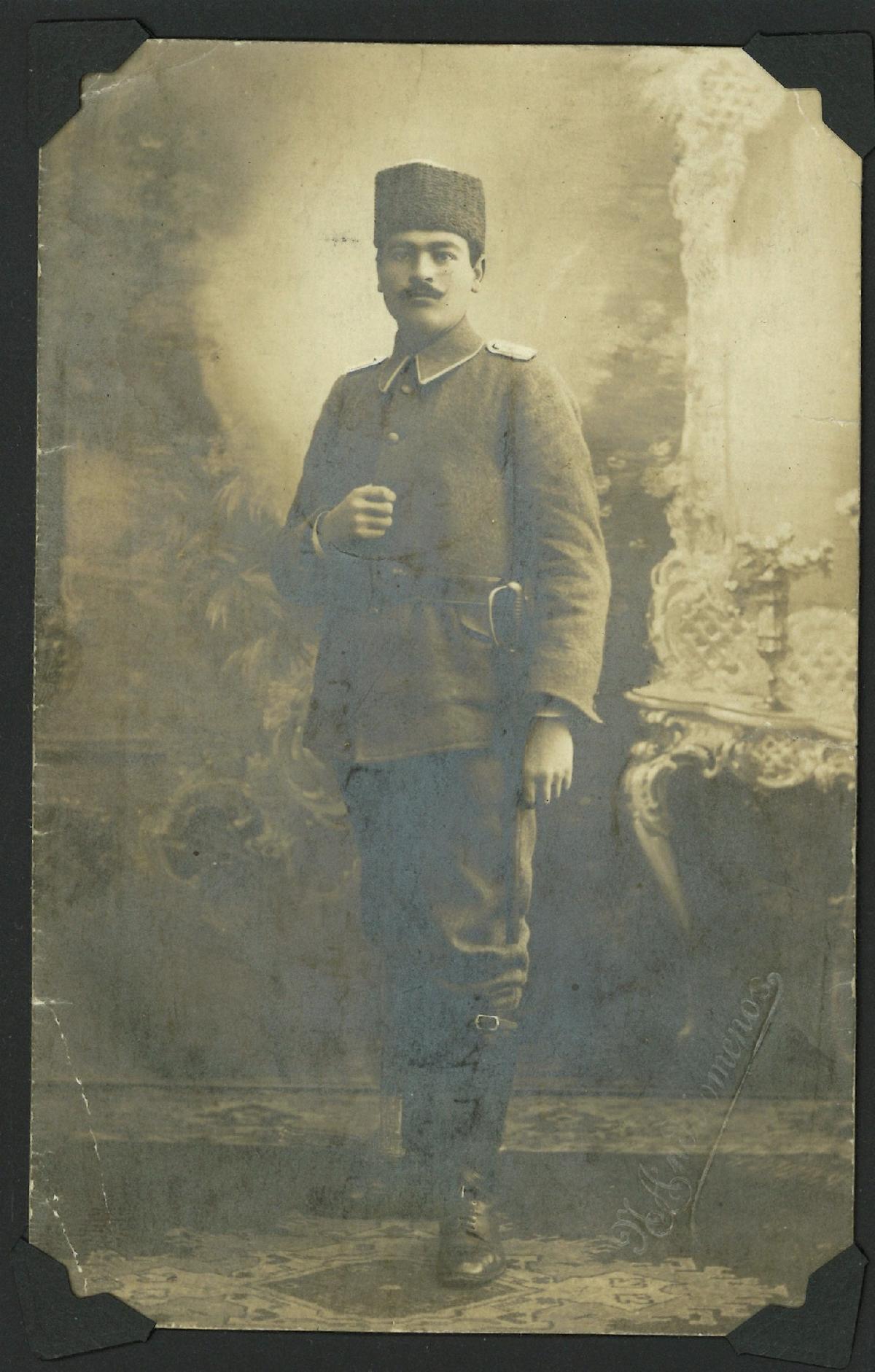
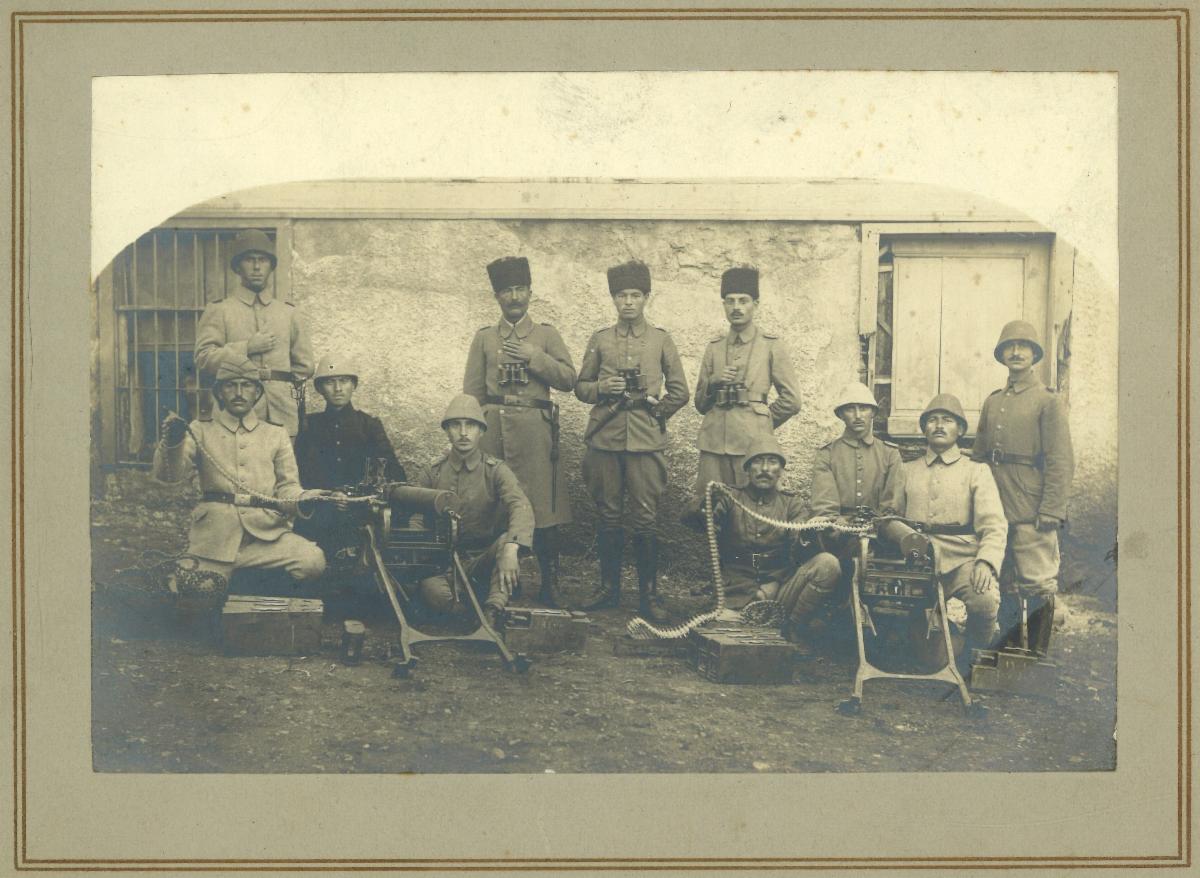
In 1920, he immigrated to the United States, where he rebuilt his life and remained committed to seeking justice for Armenians. He and his wife, Grace Dadourian Alexanian (1912–1996), became prominent members of the Armenian-American community, and they assembled and preserved a significant body of archival material.
As an active and leading member of Armenian organizations—including the Sivas Reconstruction Union, Pan-Sebastia organizations, and the Armenian General Benevolent Union—Alexanian preserved correspondence, meeting minutes, flyers, postcards, photographs, bylaws, and ephemera of many kinds.
The collection also includes personal documents, such as property deeds from Sivas Province, as well as the manuscripts of his memoirs. Edward and Grace’s daughter, Adrienne Grace Alexanian, generously entrusted these archival materials to our library, where they are now accessible to researchers.
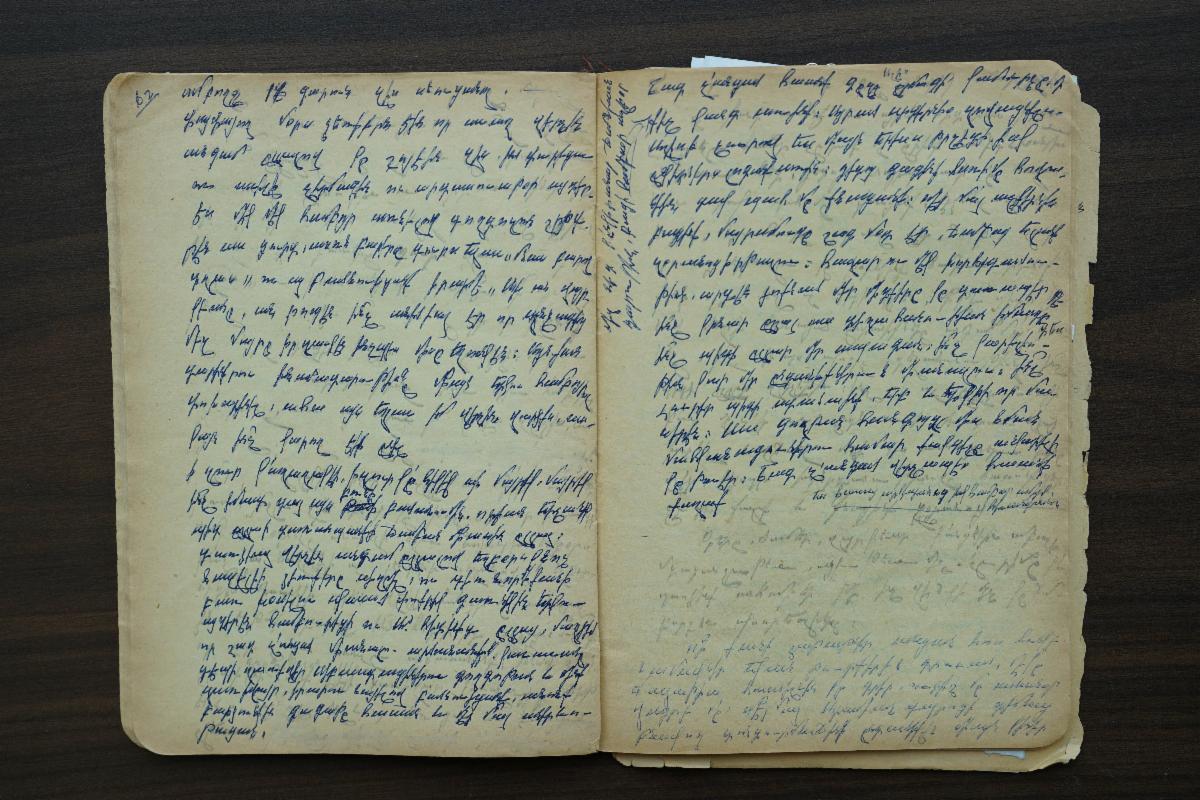
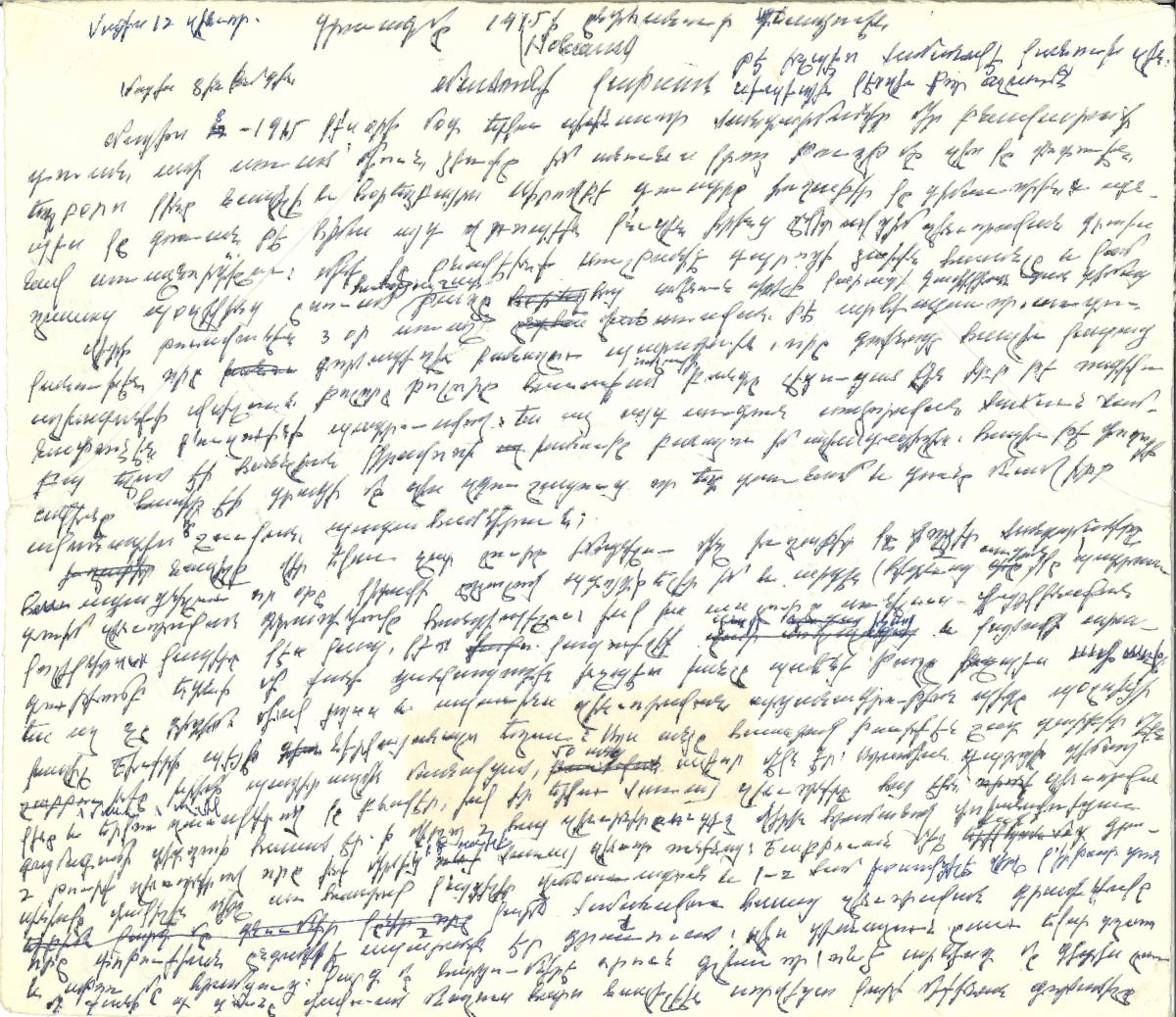
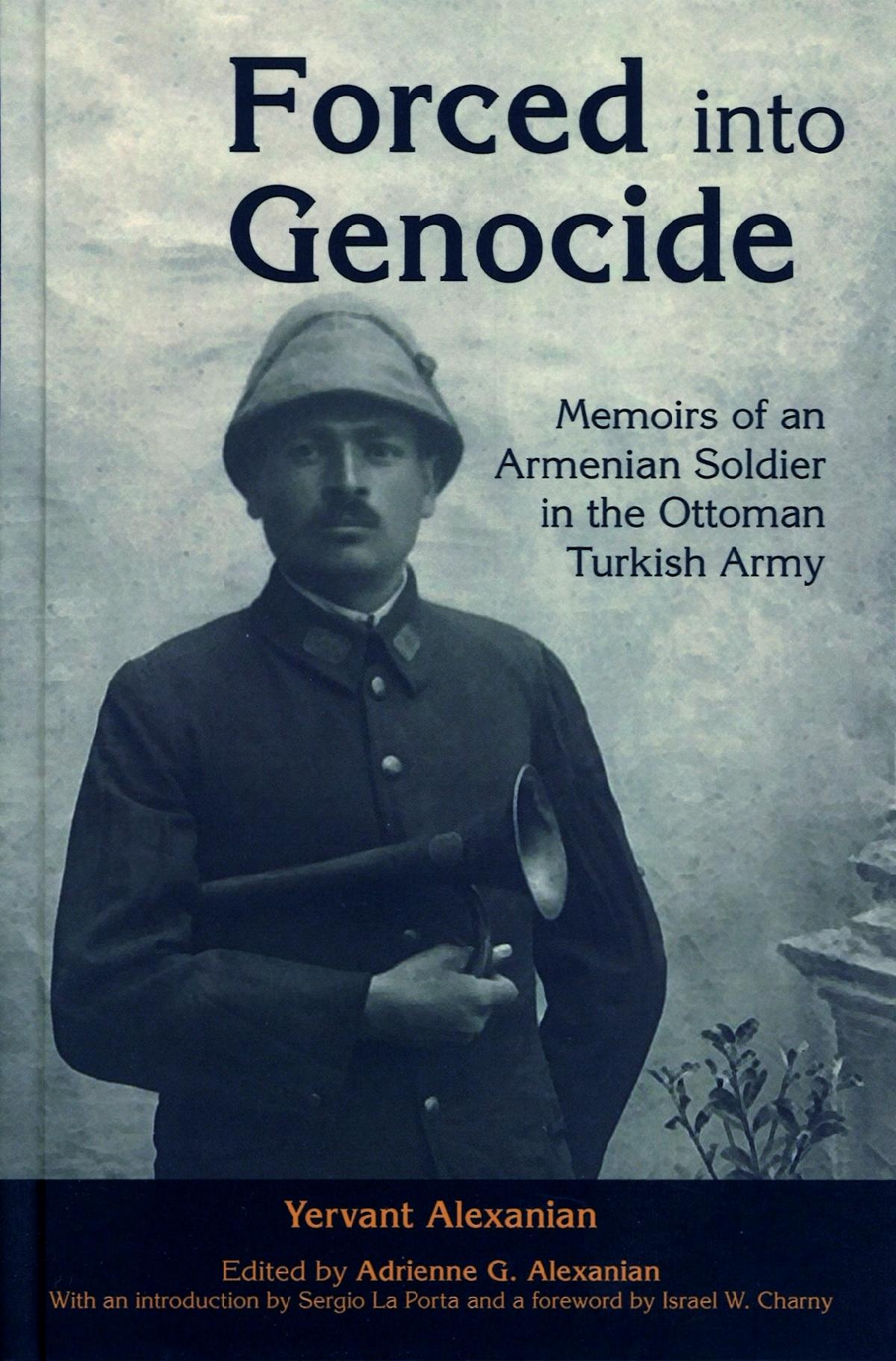
In 2017, his memoir was published as Forced into Genocide: Memoirs of an Armenian Soldier in the Ottoman Turkish Army (Transaction Publishers), translated by Simon Beugekian and edited by Adrienne G. Alexanian, with an introduction by Sergio La Porta and a foreword by the late Israel Charny. Based on his handwritten chronicle, the volume includes rare documents and photographs preserved by the author, along with scholarly commentary and supporting materials.
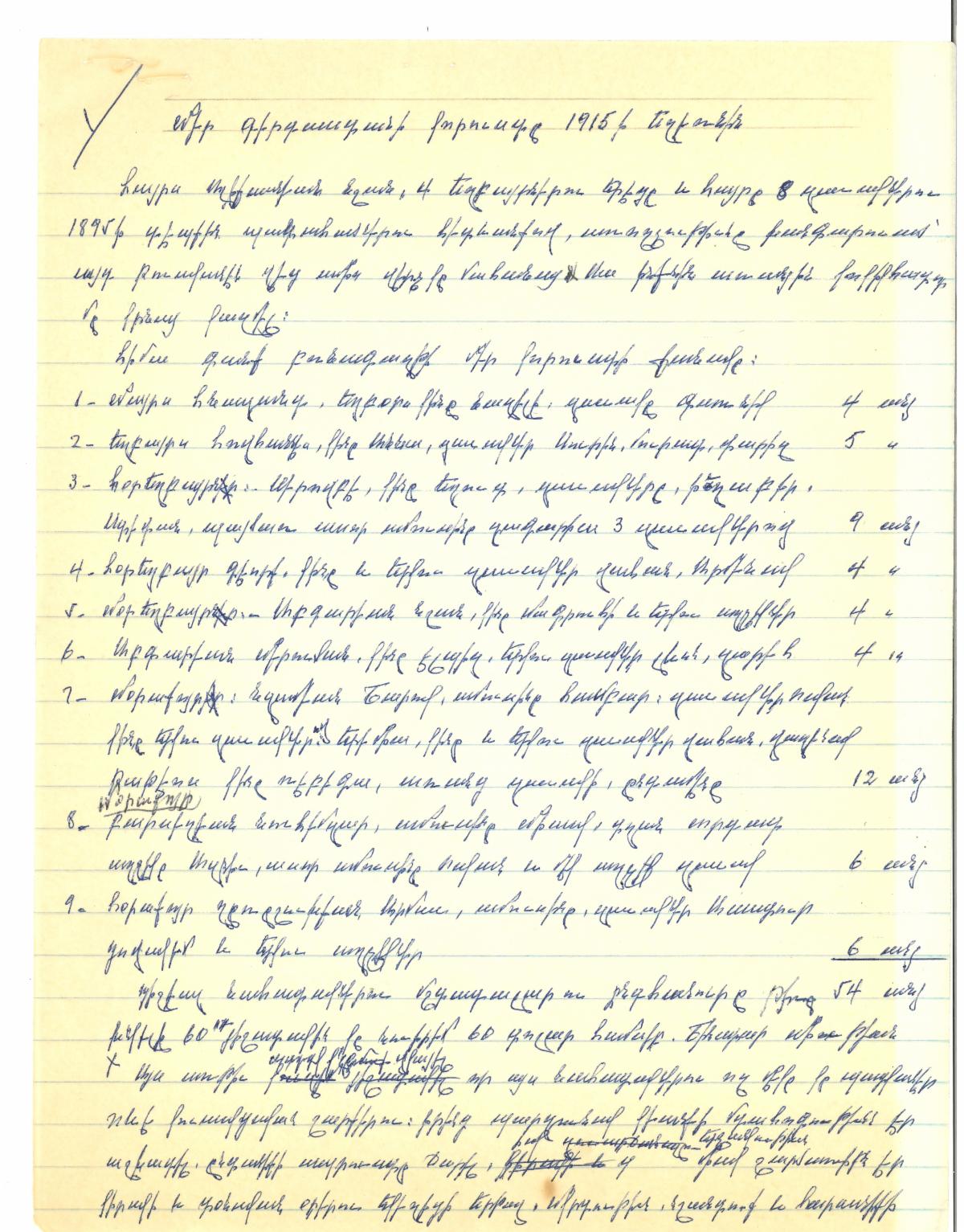
As Adrienne Alexanian stated, “telling my father’s story thus became my responsibility, and my privilege.” The late Vartan Gregorian observed: “Forced Into Genocide lovingly memorializes the fate of a family and a community… a gift to the Armenian community and, indeed, humanity.”
Aurora Mardiganian Materials in the Krikorian and Taylor Collection
The NAASR Mardigian Library is home to the Abraham Der Krikorian and Eugene Taylor Collection, the result of decades of dedicated collecting focused on Armenian history and culture, with a special emphasis on the Armenian Genocide specifically and mass violence generally.
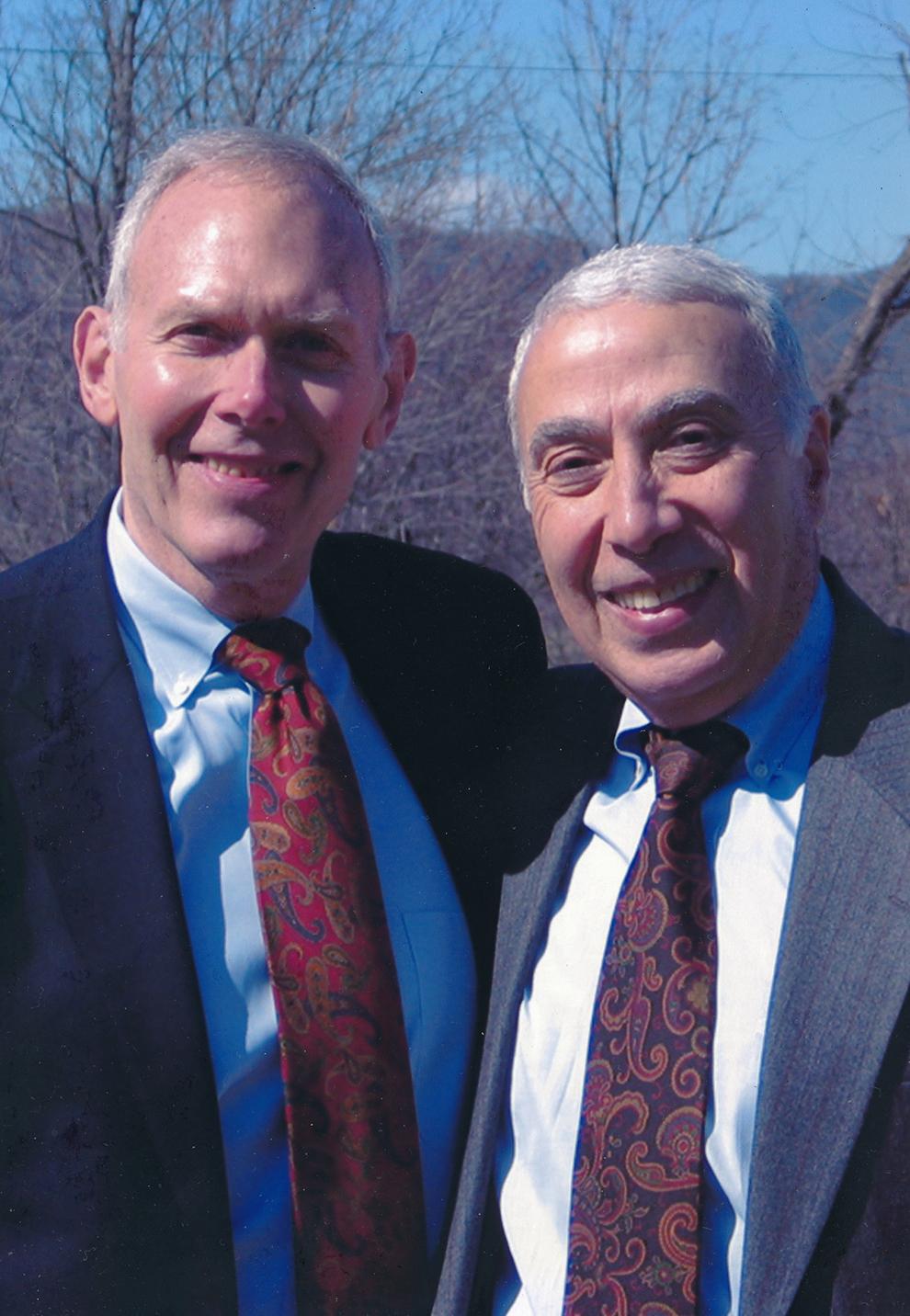
Abraham D. Krikorian (1932–2023), Professor Emeritus of Biochemistry and Cell Biology at the State University of New York at Stony Brook, had a distinguished scientific career while also passionately preserving materials related to Armenian history. Krikorian was a native of Worcester, Massachusetts, the son of Abraham Der Krikorian and Tarquohie Tashjian Der Krikorian, both originally from the village of Kerope (Körpe) in the Kharpert region of historic Armenia.
He and his partner Eugene Taylor assembled a wide-ranging archive that includes rare documents, photographs, publications, and research materials along with books and periodicals.
Together, they authored many articles exploring, in particular, the visual history of the Armenian Genocide; much of their work can be found here. In 2013, Krikorian and Taylor agreed to donate their collection to NAASR, which eventually approached 200 boxes of books, periodicals, scanned materials, and additional items.
We remember with gratitude their efforts and their generosity, and express our sadness on the passing of Gene Taylor on February 5 of this year: he was a kind and gentle man, and may he rest in peace.
Within this collection, the materials related to Aurora Mardiganian (Arshaluys Mardiganian) hold particular significance. Born in Chmshkadzag, she survived the Armenian Genocide after losing her entire family. Bearing deep physical and emotional scars, she found the strength to tell her story publicly—becoming one of the earliest and most prominent voices to testify to these atrocities.
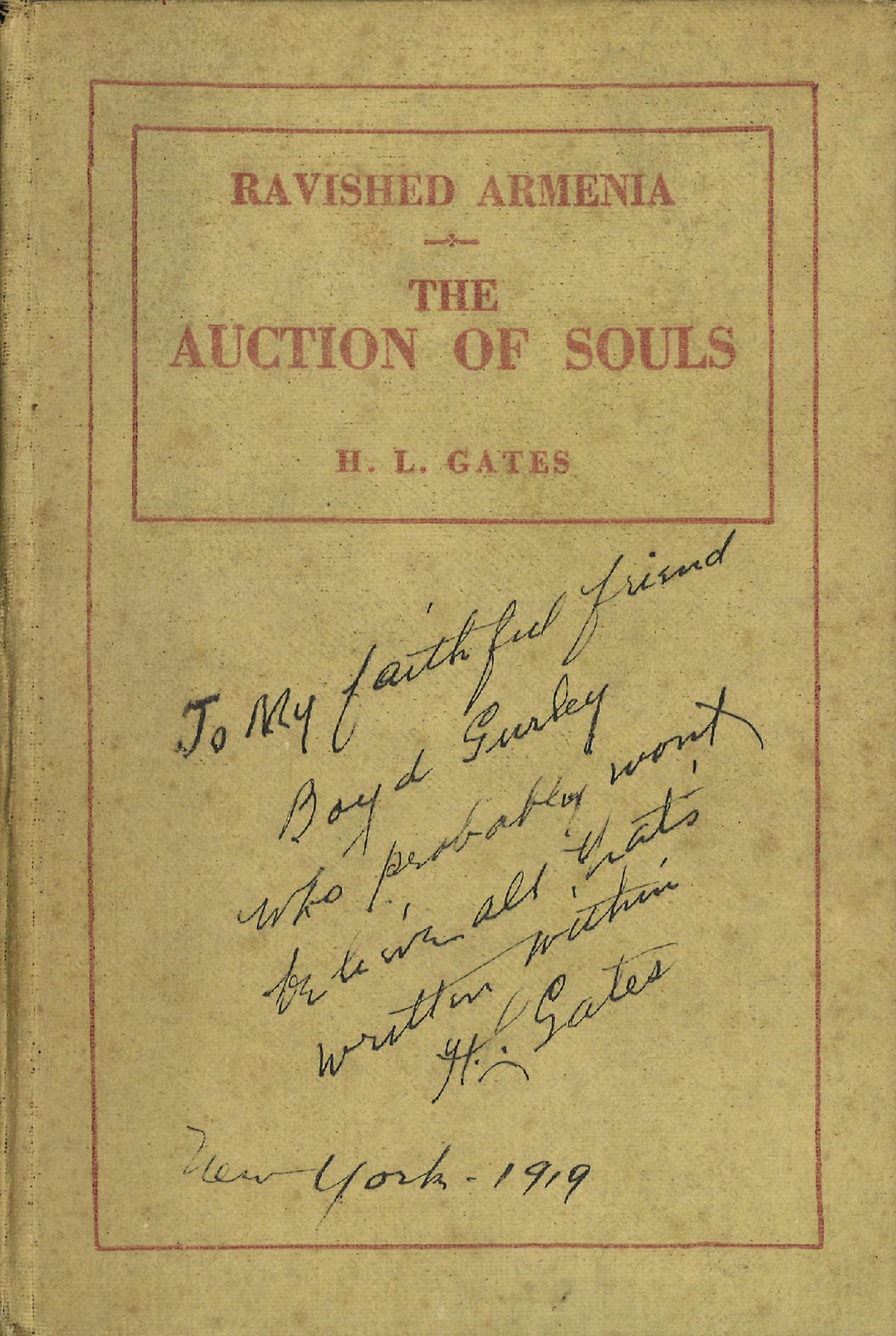
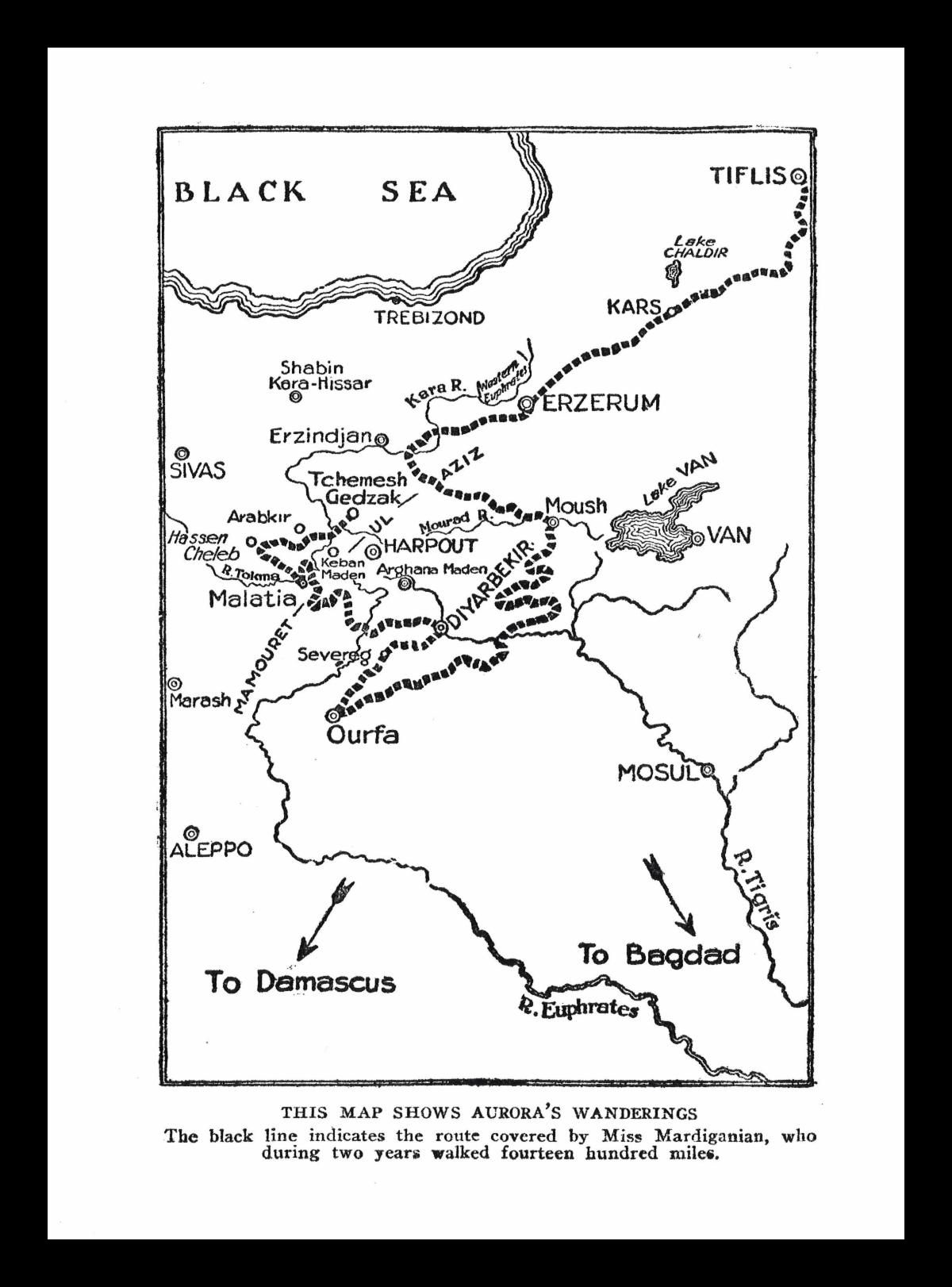
Ravished Armenia: The Story of Aurora Mardiganian (1918) brought her experiences, as “interpreted” by Henry Leyford Gates, to international attention and later served as the basis for a film which, like the book, was variously known as Ravished Armenia or Auction of Souls, in which she portrayed herself. Through lectures, interviews, and film, she shared her story with the world, despite the personal toll of reliving her trauma.
Unfortunately, Aurora was ruthlessly exploited by Gates and his wife, who became her guardians.
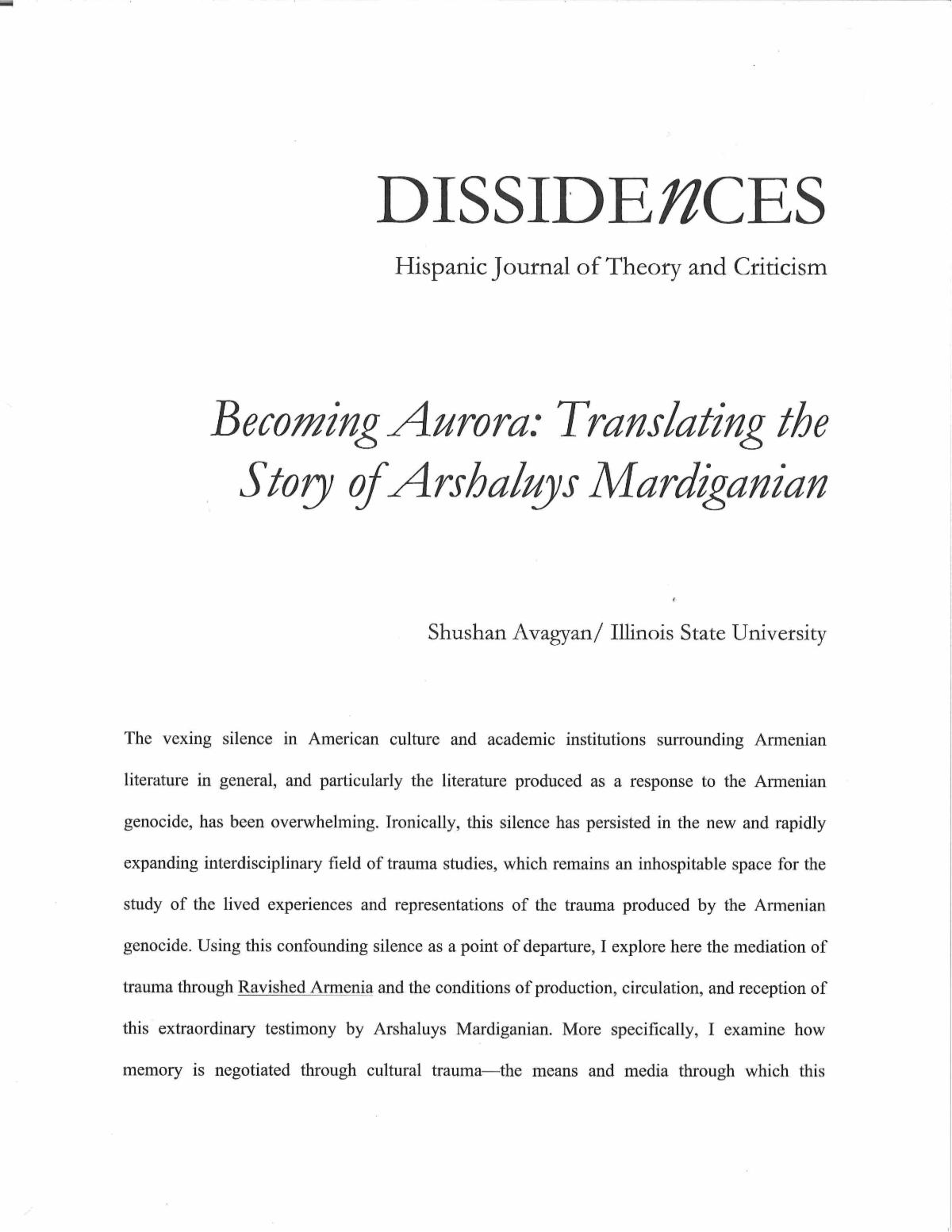
The Krikorian and Taylor Collection contains extensive materials related to Aurora Mardiganian and early humanitarian and cinematic responses to the Armenian Genocide, including news articles, photographs, film-related documents, and scholarly studies on representation and memory, such as Shushan Avagyan’s “Becoming Aurora: Translating the Story of Arsaluys Mardiganian,” in Dissidences: Hispanic Journal of Theory and Criticism, vol. 4, no. 8 (November 2012).
Aurora Mardiganian stands both as a powerful symbol of survival, resilience, and testimony, and of trauma and exploitation of victims. As Hayk Demoyan has written, “Aurora became a star but this young girl who had survived the genocide was not prepared for such pressure” (Aurora’s Road: Odyssey of an Armenian Genocide Survivor, Yerevan, 2015).
Her story reflects the experiences of countless Armenian girls and women, and the endurance of a people who strove to rebuild their lives in the aftermath of devastation.
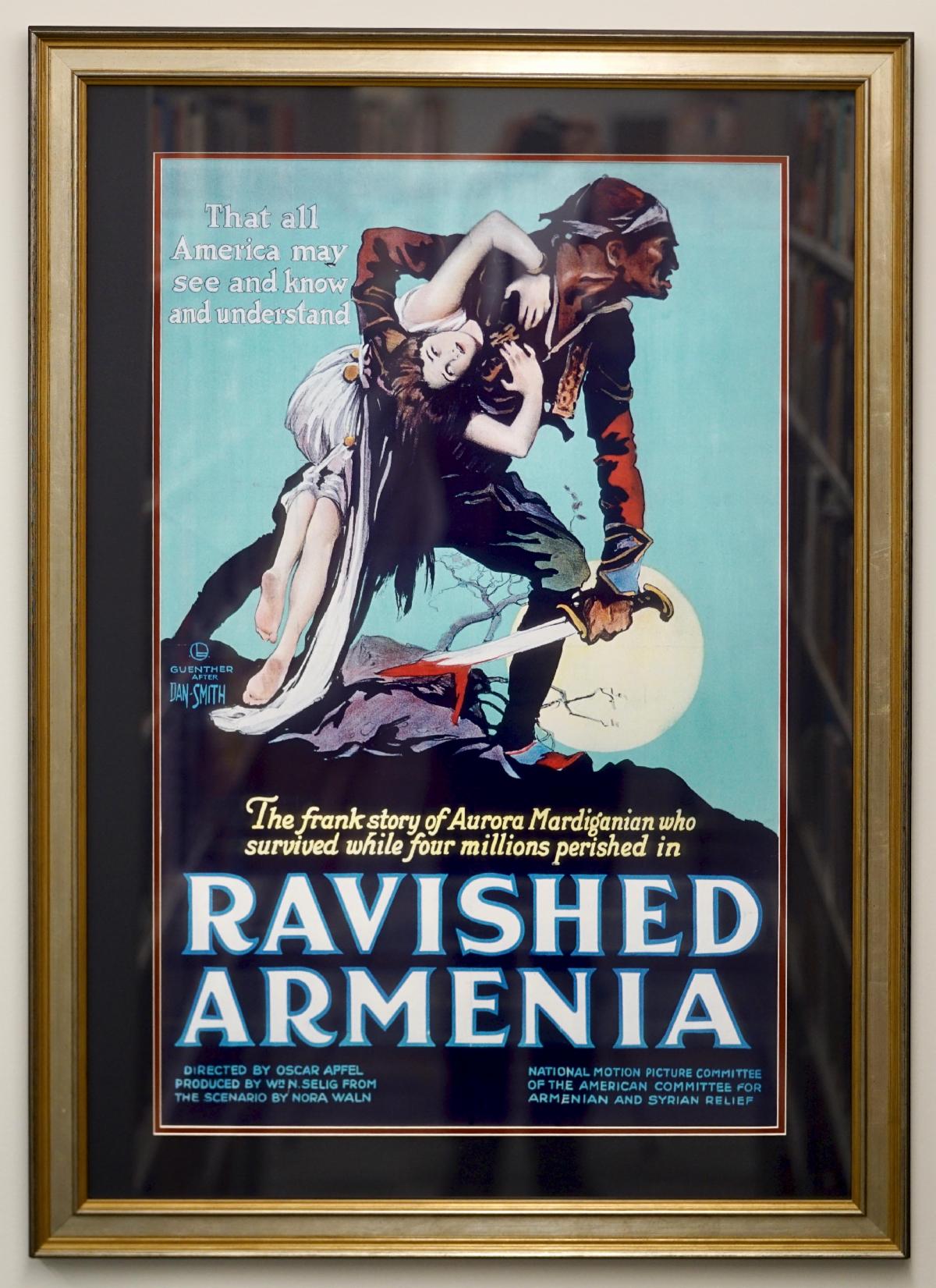
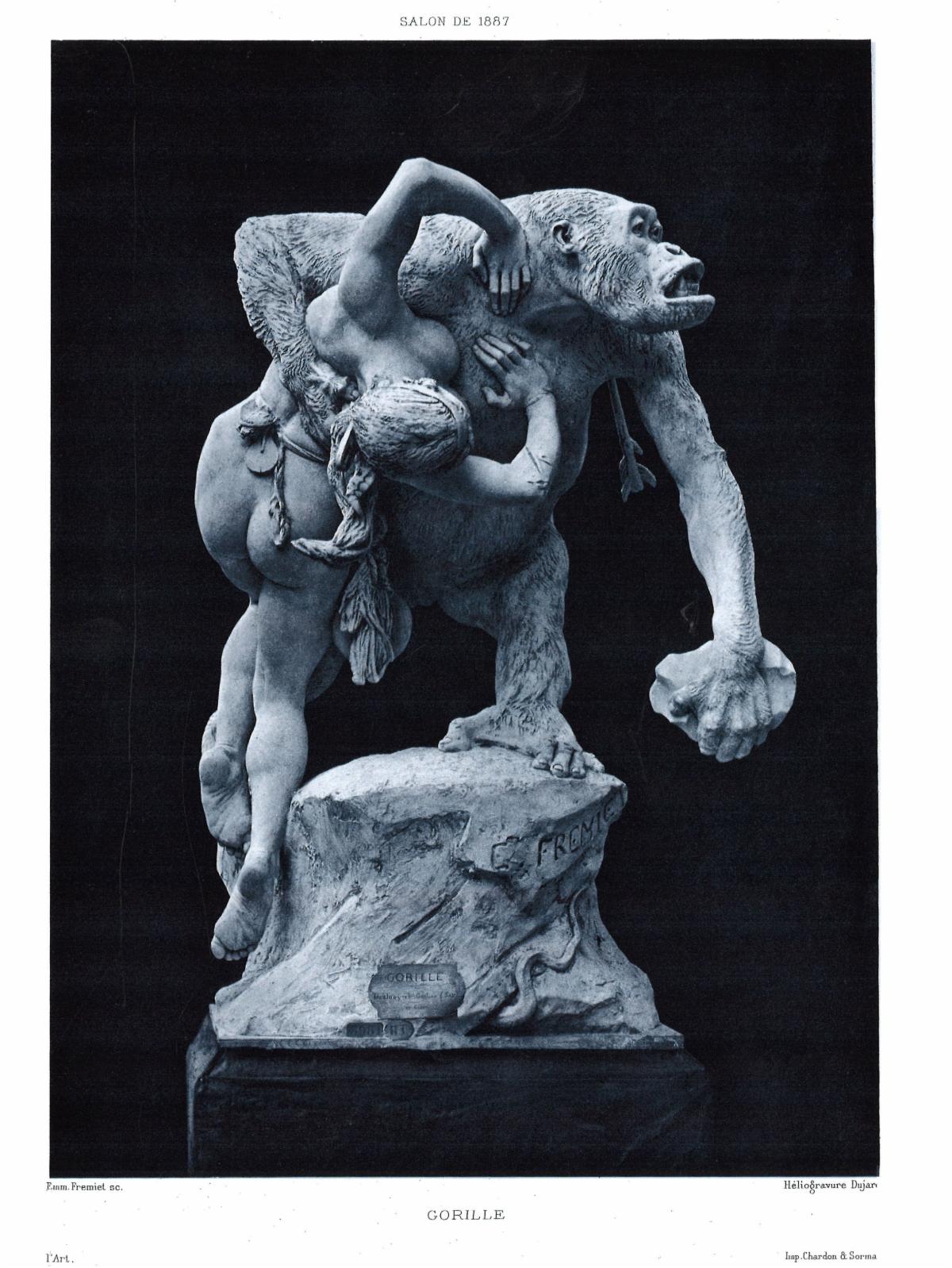
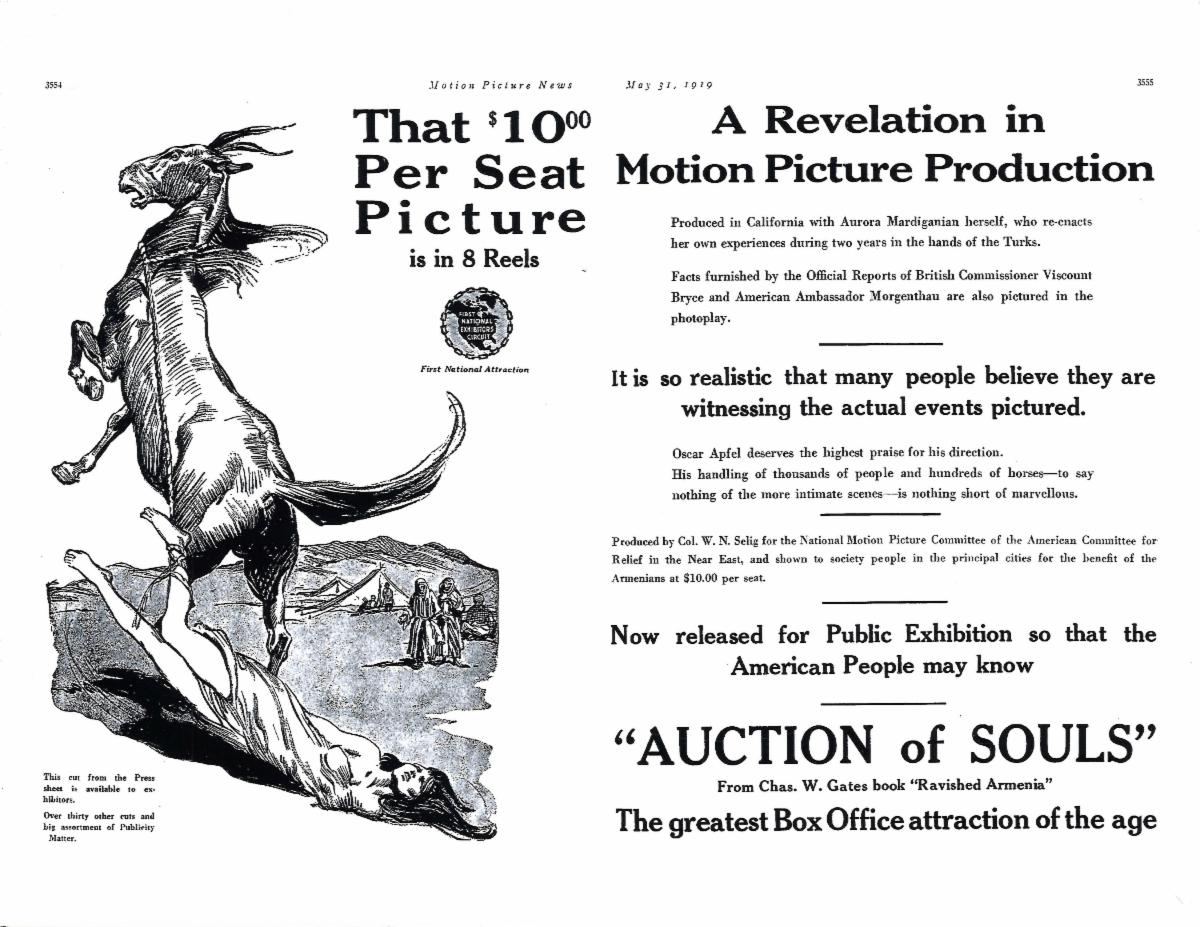
The graphic, sensationalist, and frankly Orientalist and racist imagery of the striking Ravished Armenia poster carried over into other advertisements for the film, such as this one from the Saturday Evening Post. Krikorian and Taylor explored the roots of the poster, which, as the advertisement notes—but the poster does not—was patterned “after E. Frémiet,” i.e., French sculptor Emmanuel Frémiet’s 1887 work Gorille. Indeed, this makes it a forerunner both of the Ravished Armenia poster and the basic concept of King Kong, among many other similar depictions.
As Krikorian and Taylor note, “The general concept of the supposedly savage, ruthless gorilla becoming the prototype and representative for uncivilized, uncouth, aggressive and violent human behavior especially so far as young maidens were concerned, soon became adopted as the ‘norm.’”
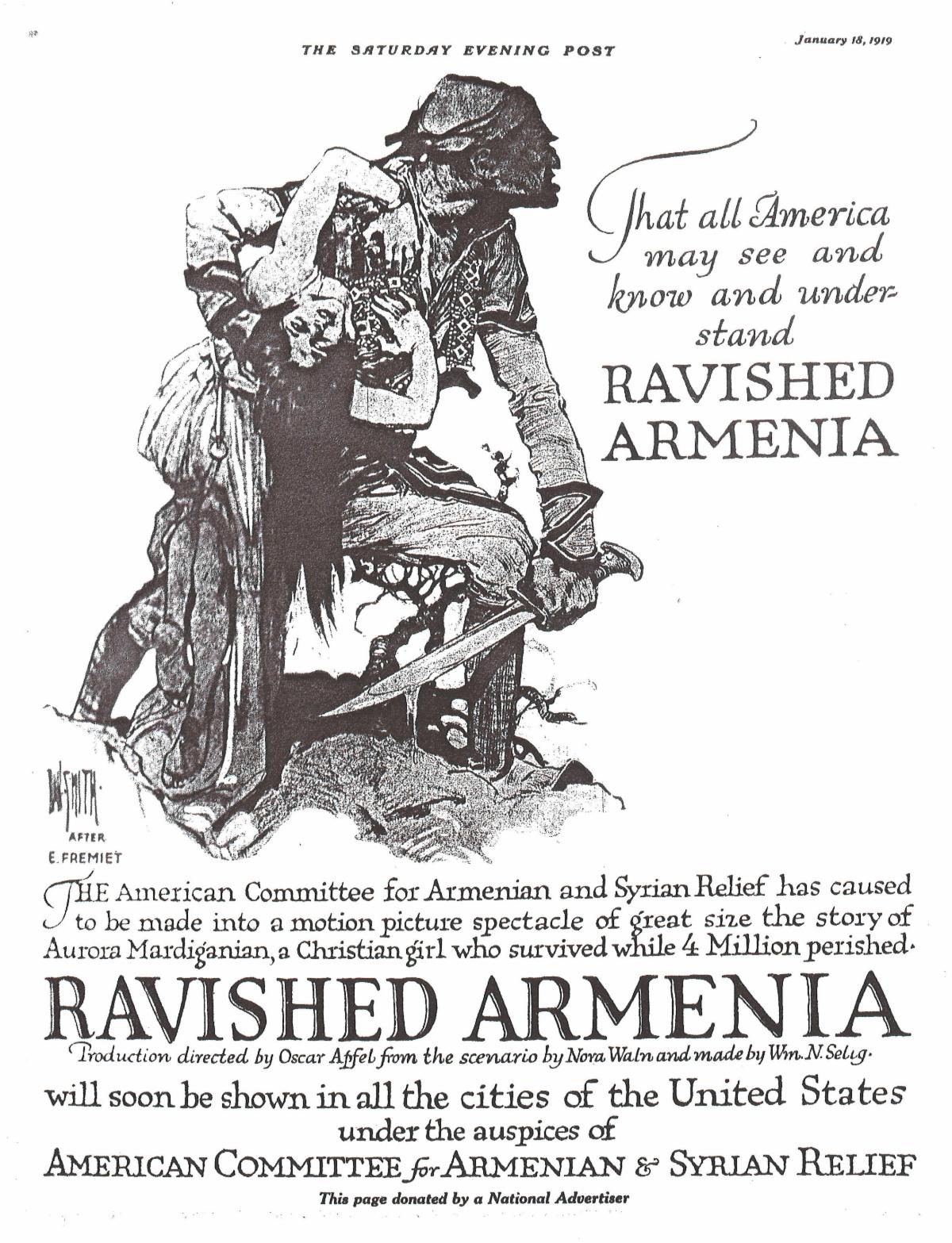
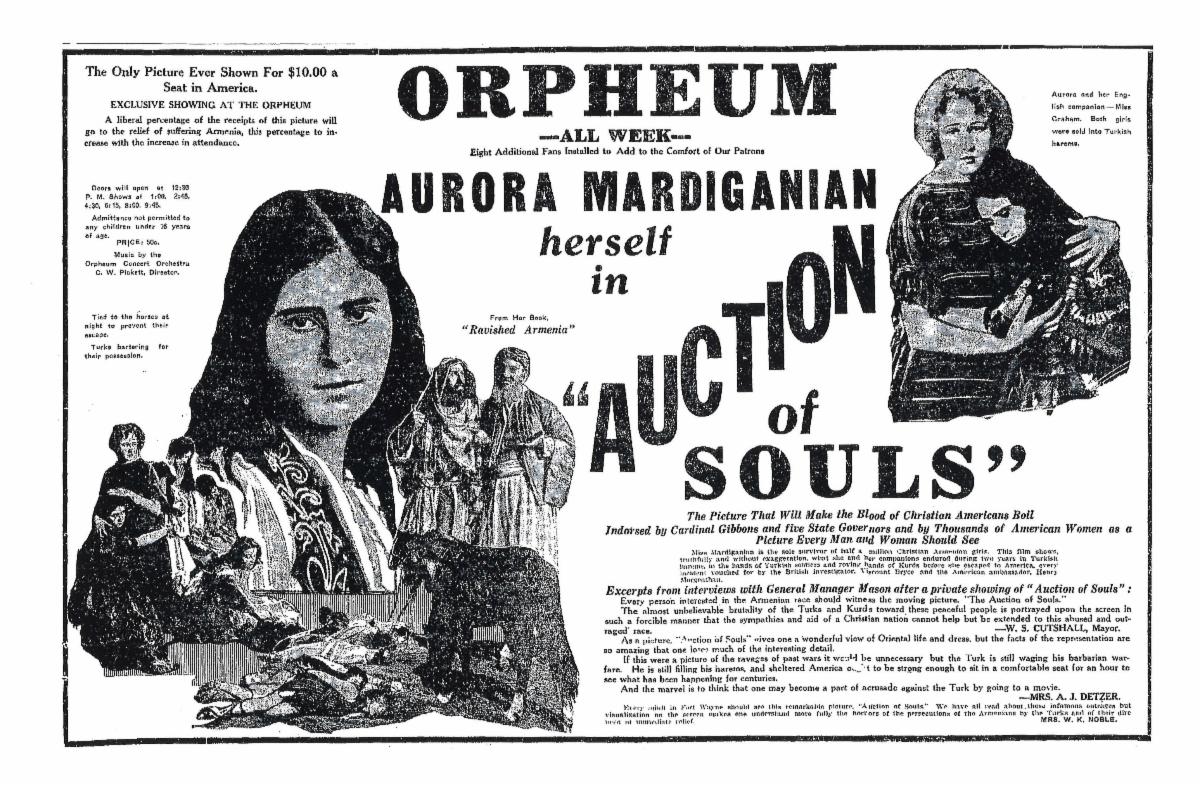
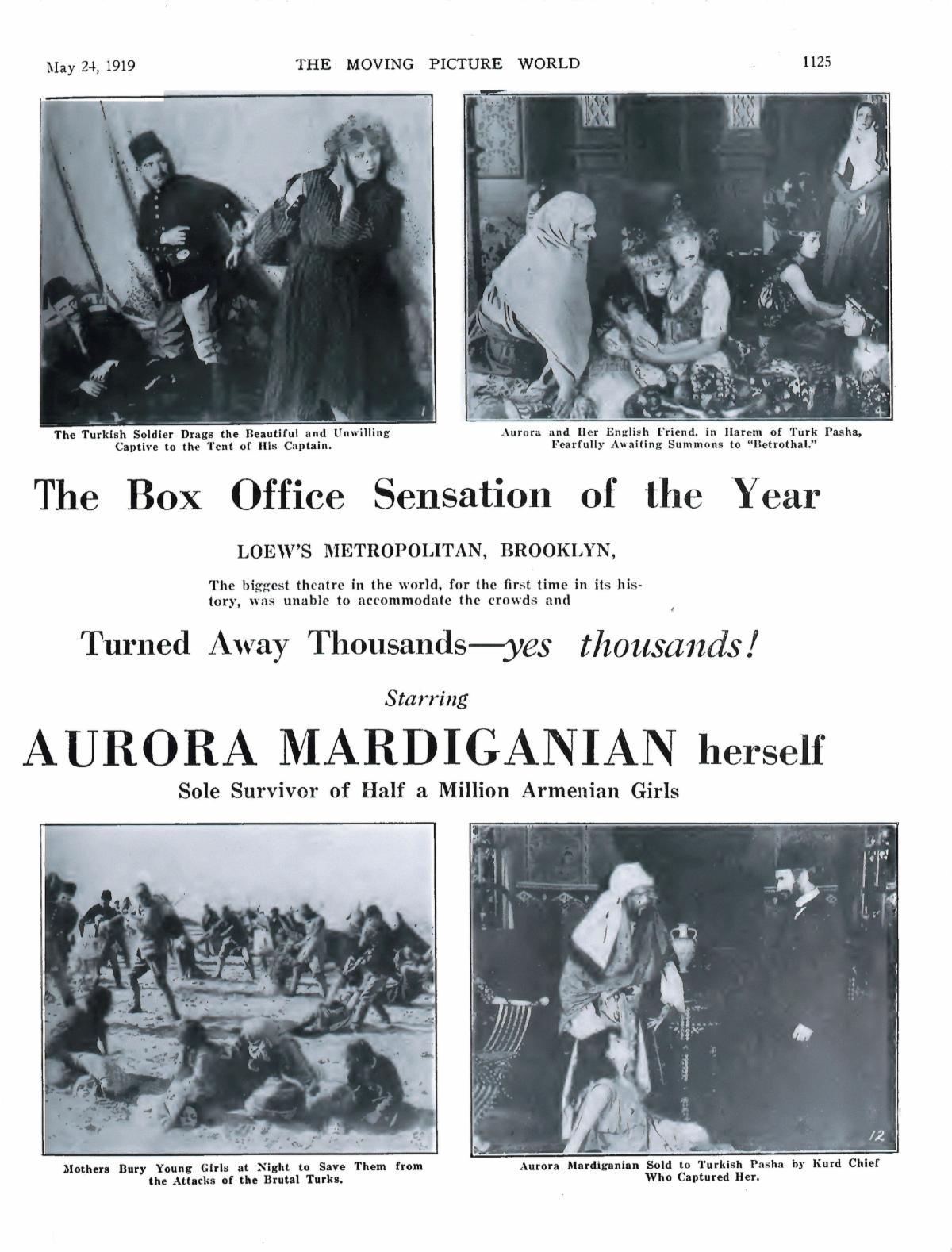
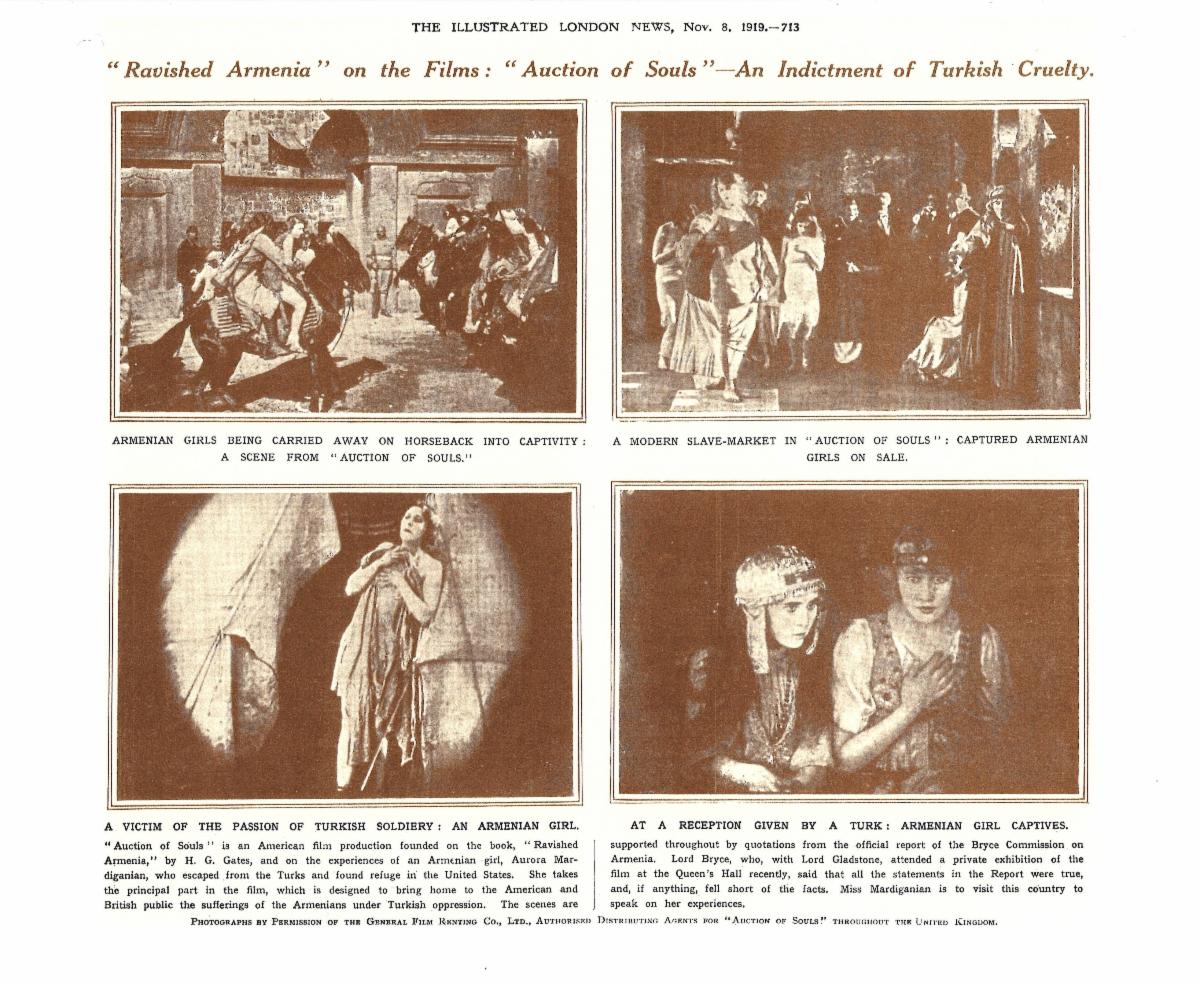
Other advertisements for Ravished Armenia collected and digitized by Krikorian and Taylor variously emphasize the lurid and forbidden aspects of the story and the innocence of Aurora herself, often at the same time.
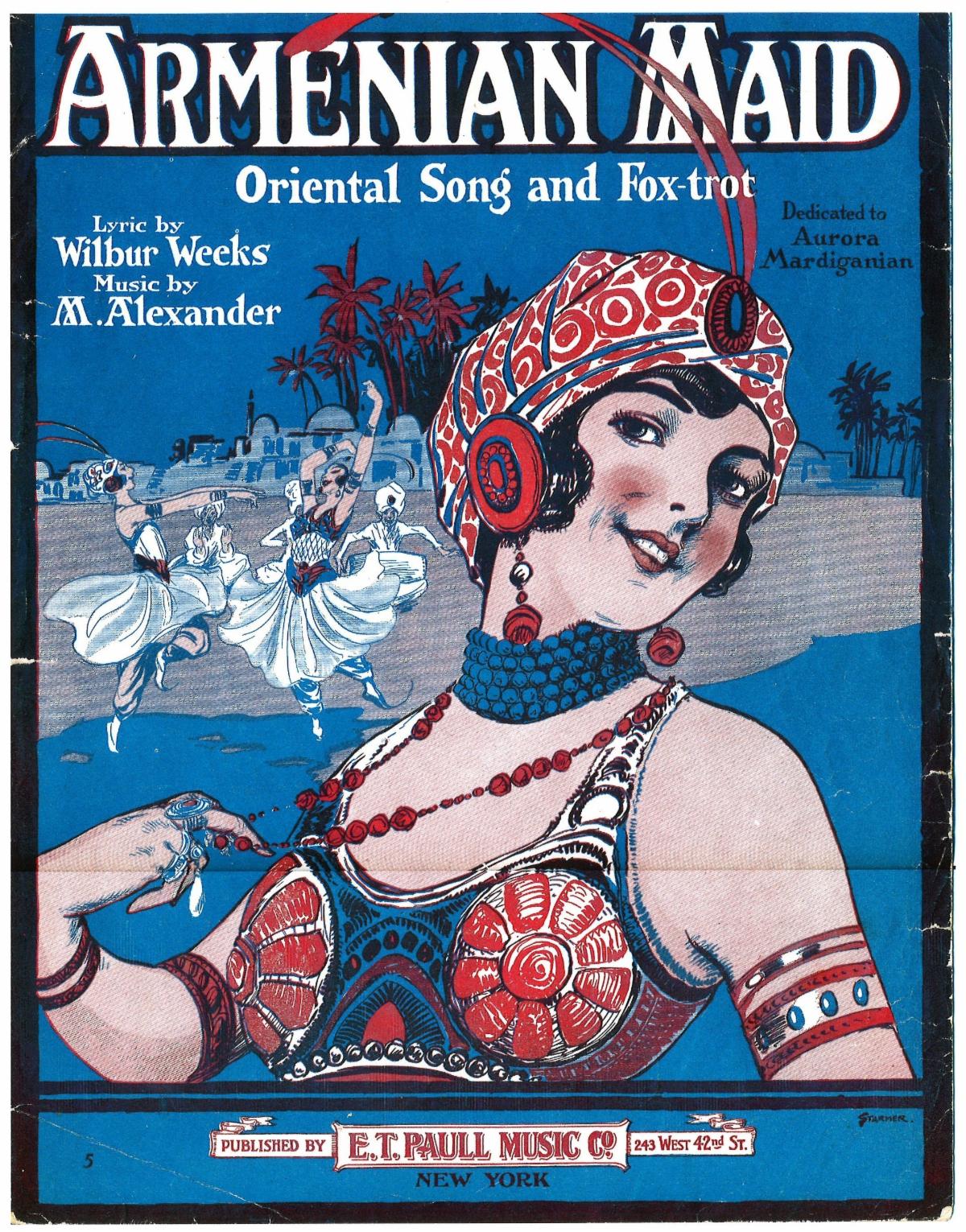
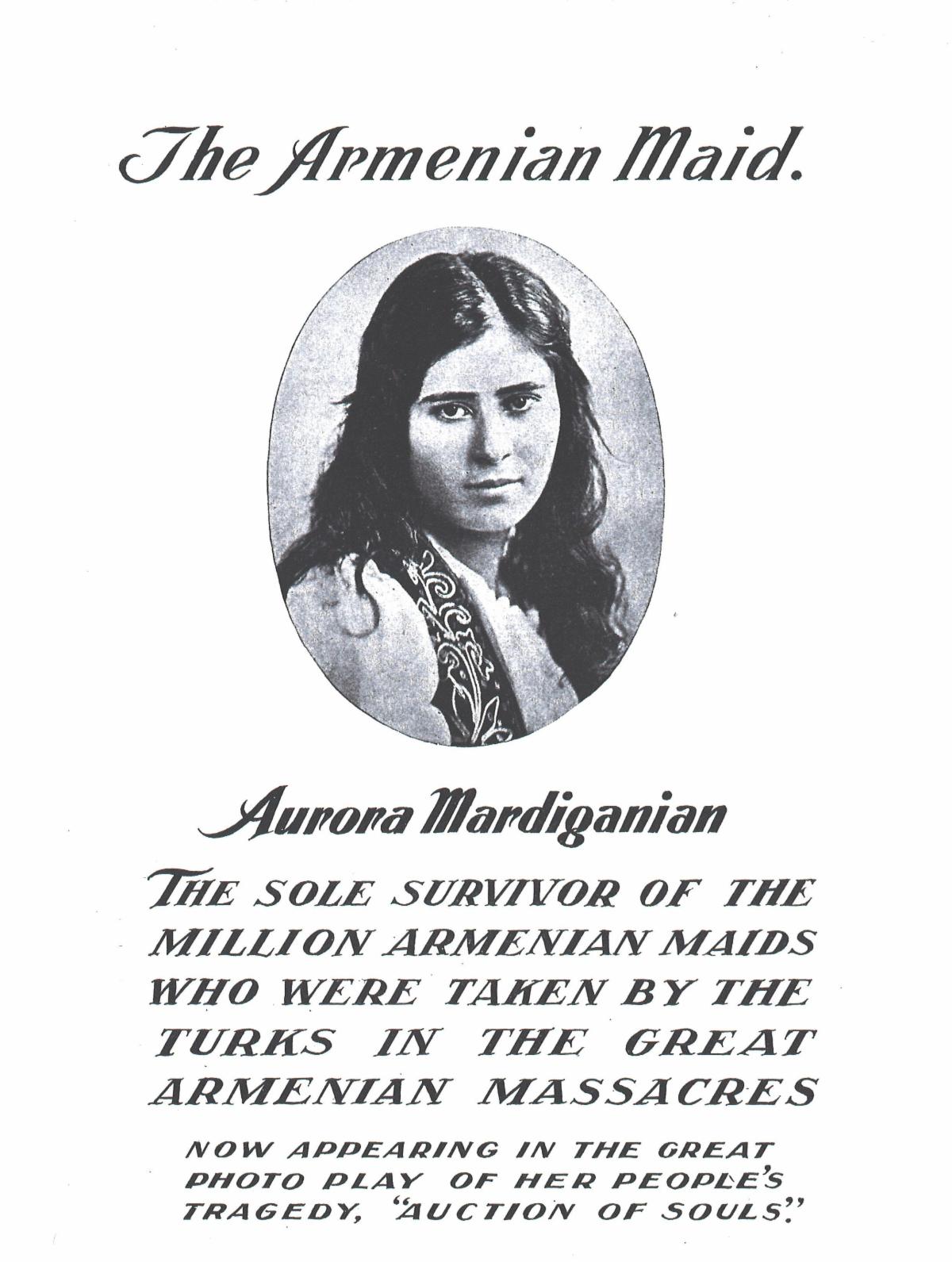
This extraordinary item attests both to Aurora Mardiganian’s brief celebrity and to the readiness of the entertainment industry to employ every available Orientalist trope to make a dollar. The colorful cover shows an exotic flapper-cum-harem girl, while the portrait on the inside shows a more human and vulnerable Aurora.
The lyrics to the song, perhaps tactfully, omit mentioning the genocidal experiences Aurora had only recently survived, settling for Tin Pan Alley clichés: “Armenian maid, for you I’m crying, / Armenian maid, for you I’m sighing, / I’ll keep the vow I made when we played / Beneath the olive trees, dearest maid.”
Although these final items are not from the Krikorian and Taylor Collection, we believe they merit inclusion here. They are part of a small archive of materials that belonged to Manoog Der Alexanian (1890–1985?) of Boston. Der Alexanian at the time worked as a linotype operator for the Boston-based Armenian newspaper Azk and would go on to be the author of the book When I Was a Boy in Armenia, published in Boston in 1926, and a NAASR Charter Member.
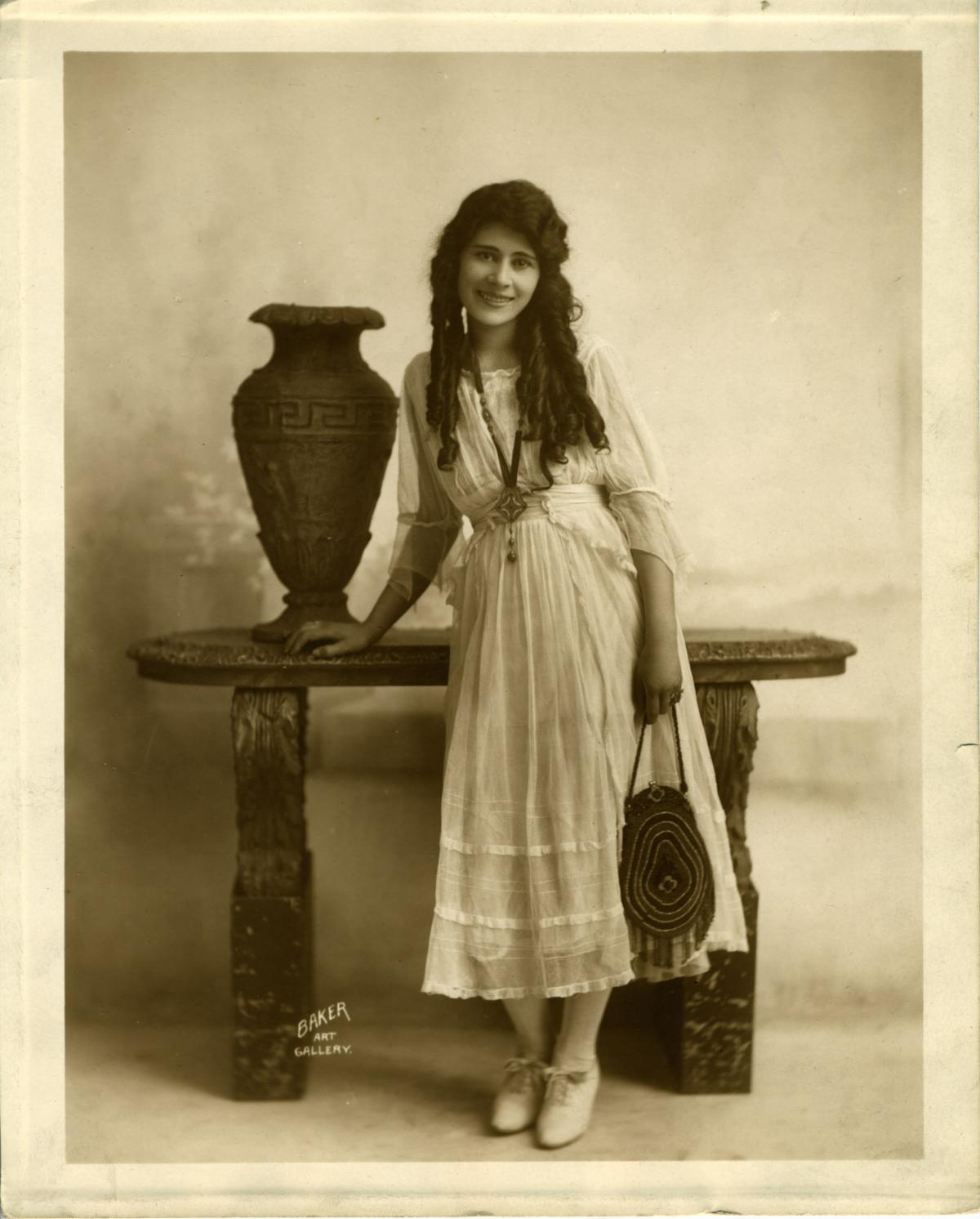
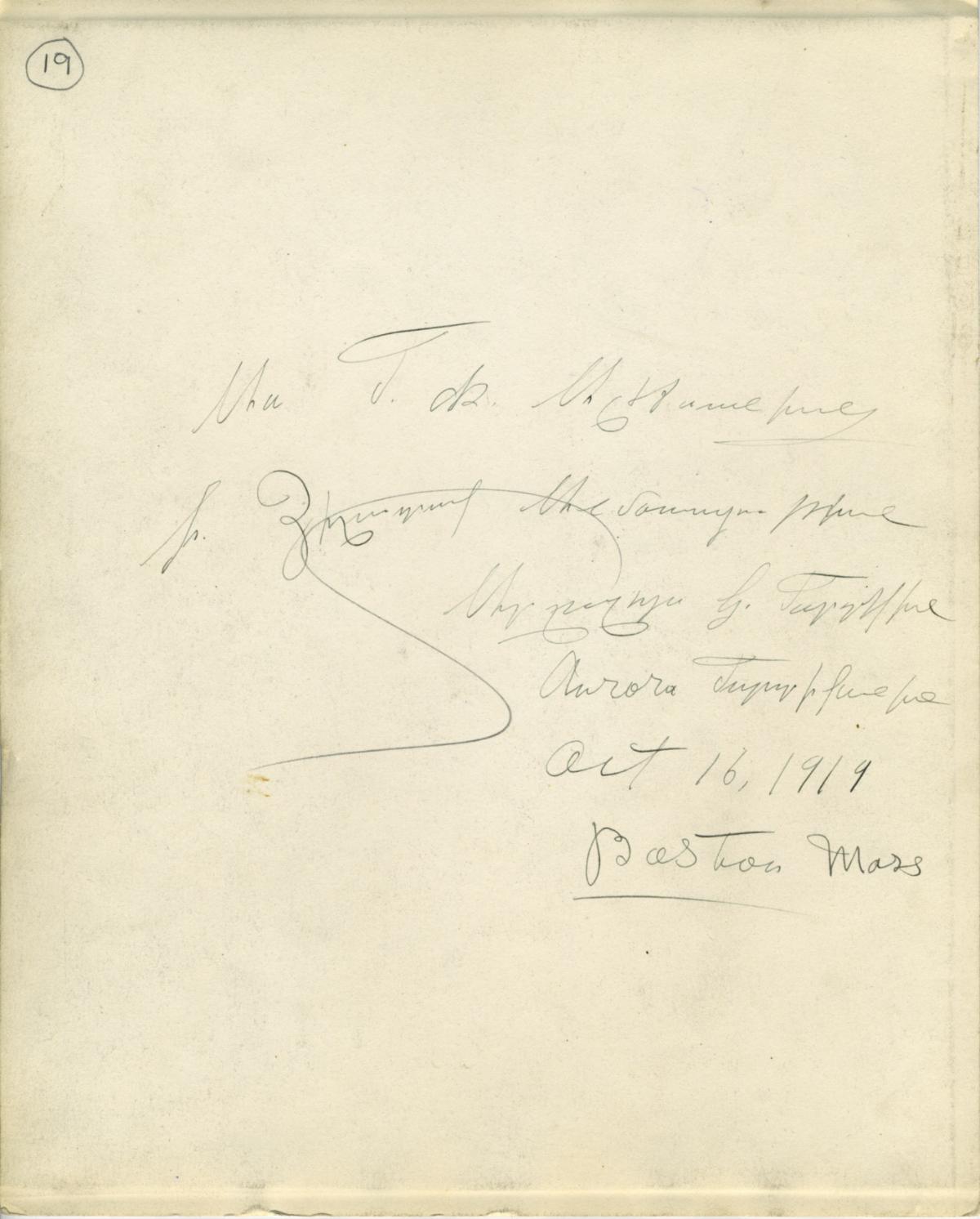
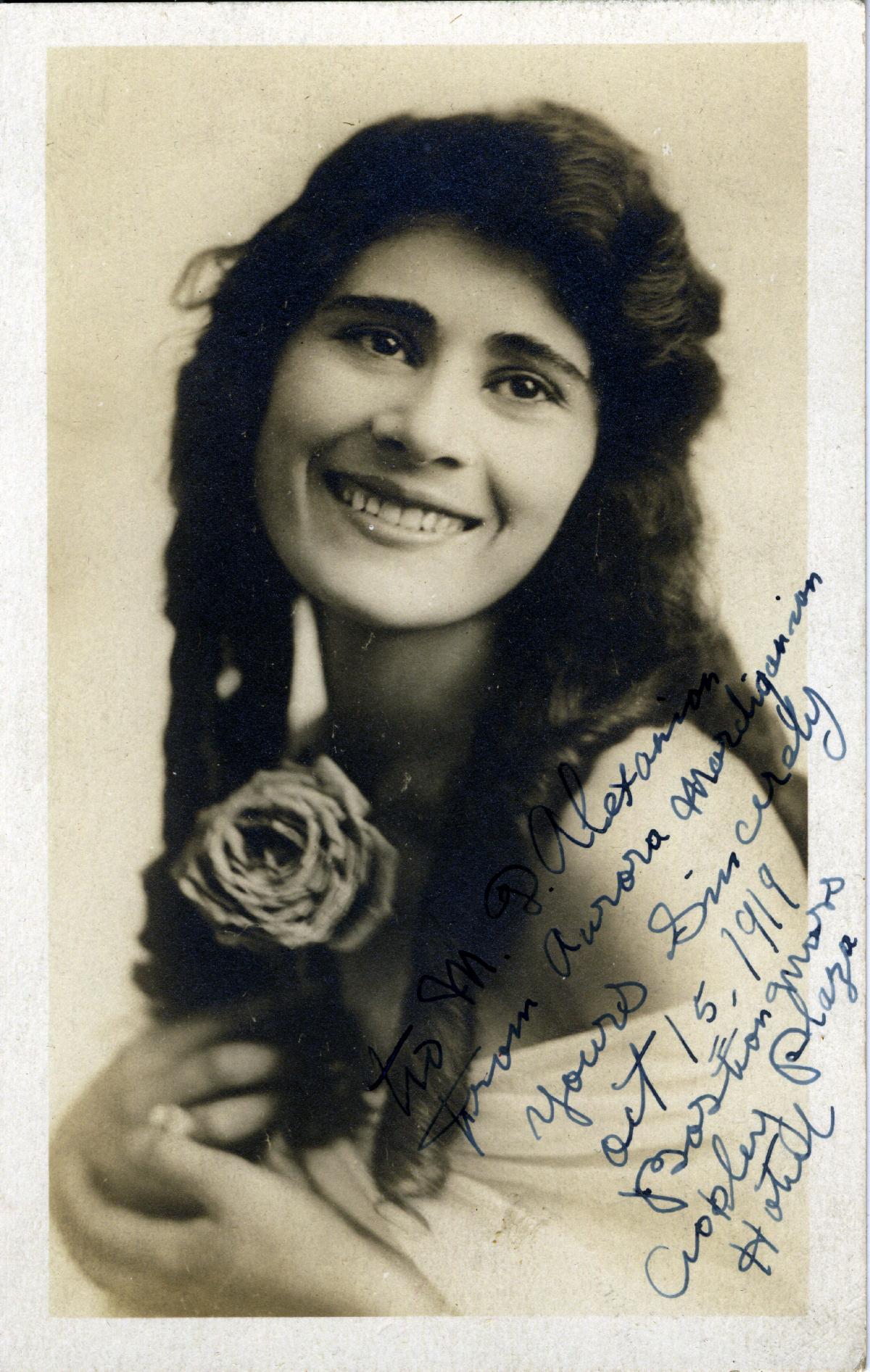
We infer that Der Alexanian saw Aurora in Boston when she was in the city for a showing of Ravished Armenia, and she warmly inscribed these photos, one in Armenian and the other in English, on October 15 and October 16, 1919.