

Prior Years
BACK TO THE BALLOT BOX: The June Elections in Armenia and the Stakes for Statehood ~ Saturday, May 22, 2021 ~ On Zoom/YouTube

 Join us for a discussion with three distinguished experts who will analyze how we got here, what may lie ahead, and what it means for Armenian statehood.
A CONVERSATION WITH HISTORIANS ÜMIT KURT AND DIRK MOSES ~ Tuesday, May 11, 2021 ~ On Zoom/YouTube

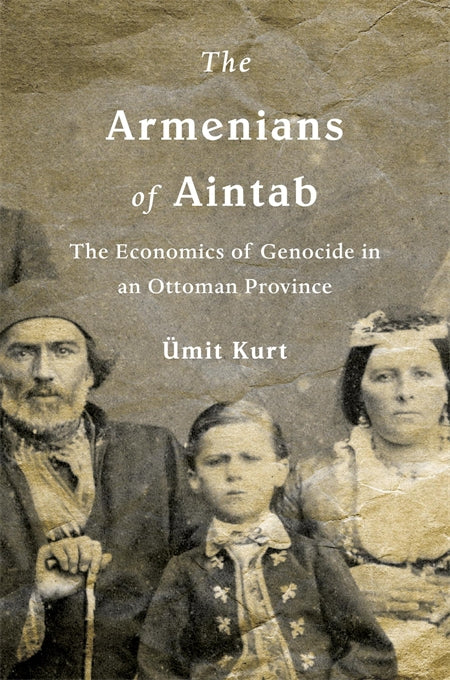 “If genocide, as a practice that includes murder and plunder, is orchestrated by a central authority but implemented at the local level,” Ümit Kurt asks, “what is the relationship between local and central authorities?” What are the incentives and motives that lead to mass participation?
INTERNMENT AND DESTRUCTION: Concentration Camps During the Armenian Genocide ~ Friday, May 7, 2021 ~ On Zoom

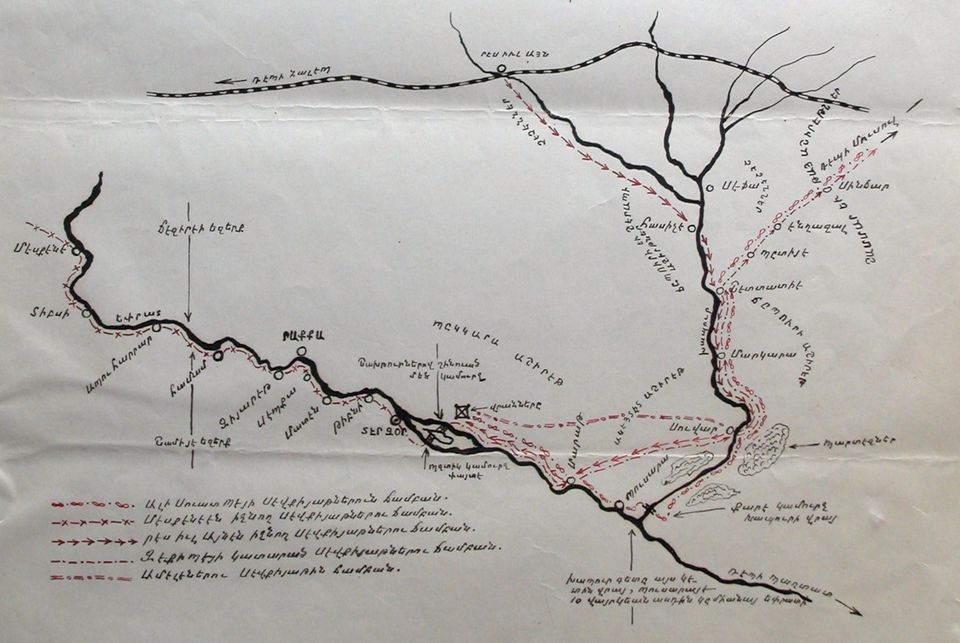 Providing an overview of the structure, administration, life, and resistance in concentration camps based on Armenian accounts, Ottoman archives, and western diplomatic records, Mouradian argues that this glaring manifestation of total war, one directed towards the empire’s very own Armenian subjects, constitutes an important moment of transition in the use internment as a weapon of annihilation.
ST. THOMAS MONASTERY Of KANTZAG ~ Սբ. Թովմաս վանք, Գանձակ ~ Saturday, May 1, 2021 ~ On Zoom/YouTube

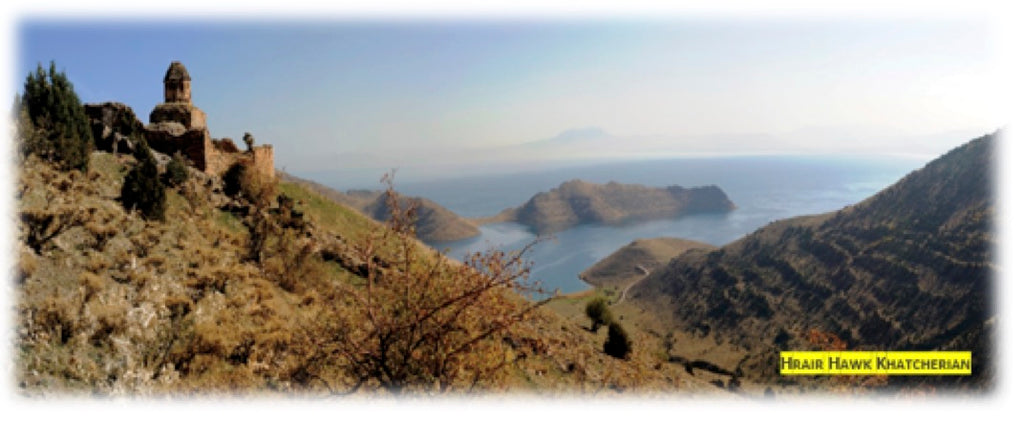 The ruined monastery of Surp Tovmas (Սուրբ. Թովմաս / St. Thomas), located on the southern shores of Lake Van, is perched in isolation almost halfway up a mountain and north of the village Kantzag (Gandzak), currently Altinsaç, Turkey. Believed to have been built in the 11th century, it is rarely visited because of the difficult ascent to an elevation of 6,600 ft / 2,000 m above sea level.
IN SEARCH OF 'MONSIEUR PIERRE:' Teotig’s Printed Archive in Exile & the Recovery of Cultural Memory ~ Wednesday, April 28, 2021 ~ On Zoom

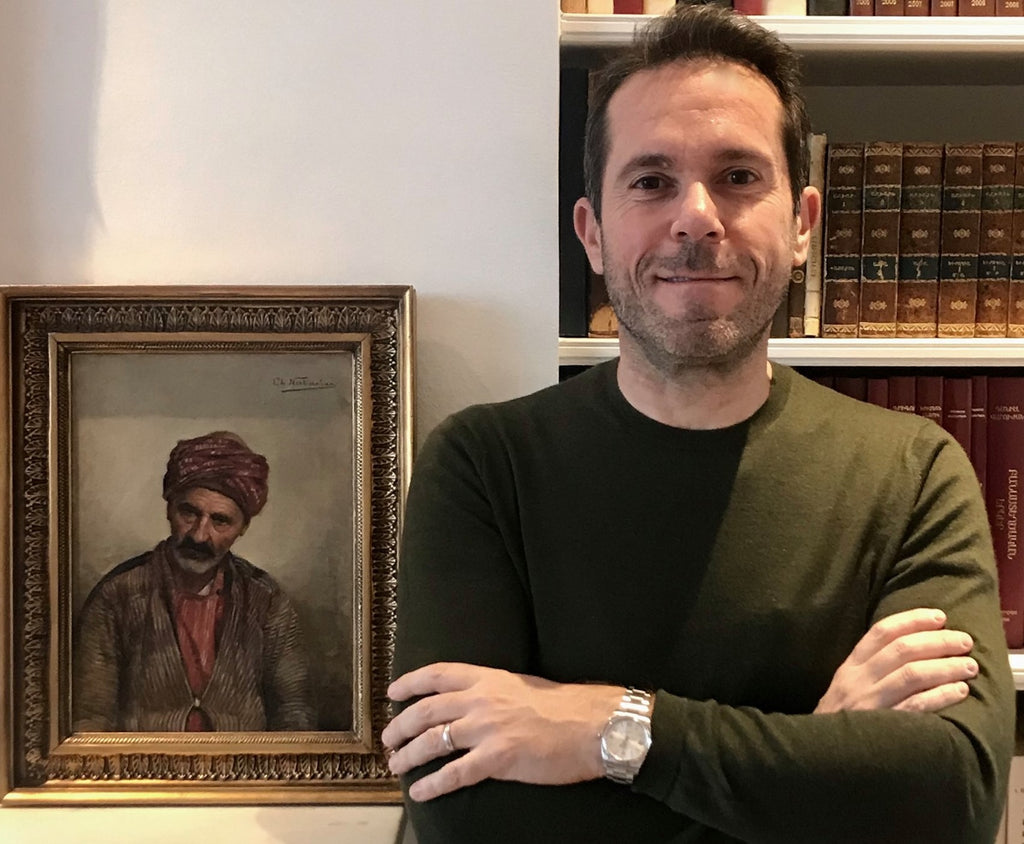 In this illustrated presentation, Dr. Davidian follows Teotig’s quest for news and information of his old teacher to its culmination in an article entitled ‘Monsieur Pierre’ («Միւսիւ Բիեռ»), assembled only a few months before his death, and published posthumously in the 1929, and final, edition of his popular Everyone’s Almanac (Ամէնուն տարեցոյցը, 1907-1929).
KNOWING ABOUT GENOCIDE: Armenian Suffering and Epistemic Struggles ~ Friday, April 23, 2021 ~ On Zoom/YouTube

 How do victims and perpetrators generate conflicting knowledge about genocide? Using a sociology of knowledge approach, Joachim Savelsberg answers this question for the Armenian Genocide committed in the context of the First World War.
THE UNSPOKEN AS HERITAGE: The Armenian Genocide and Its Unaccounted Lives ~ Thursday, April 22, 2021 ~ On Zoom

 Harry Harootunian’s The Unspoken as Heritage: The Armenian Genocide and its Unaccounted Lives is an attempt to reach an unattainable history by addressing the experience and memories of his parents, who escaped the Armenian Genocide of 1915-1916 and migrated to the United States to confront the magnitude of a second challenge of adaptation and economic security in an entirely different environment.
THE ARMENIANS OF AINTAB: The Economics of Genocide in an Ottoman Province ~ Tuesday, April 20, 2021 ~ On Zoom/YouTube

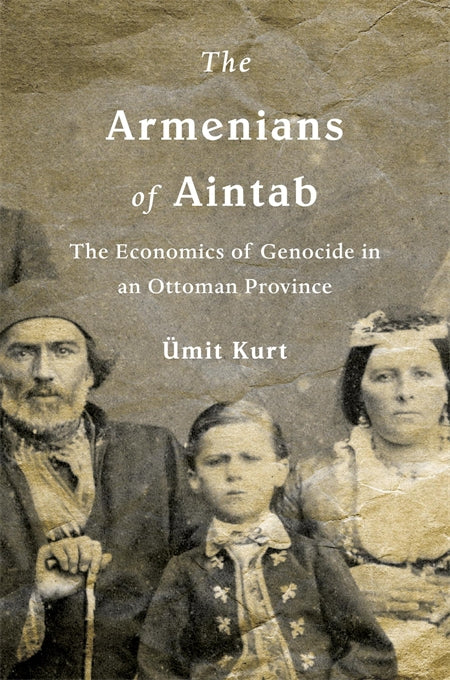 The Armenians of Aintab draws on primary sources from Armenian, Ottoman, Turkish, British, and French archives, as well as memoirs, personal papers, oral accounts, and newly discovered property liquidation records. Together they provide an invaluable account of genocide at ground level.
PAGING THROUGH PHOTOS AND SONGS: H. Mark and K. Ghazarosian’s Friendship in Post-Genocide Istanbul ~ Tuesday, April 20, 2021, On Zoom

 Dr. Lerna Ekmekcioglu and Dr. Melissa Bilal will follow the story of a friendship between two Armenian women in Istanbul that endured the hardships of WWI, the Armenian Genocide, and early republican Turkey’s repressive minority politics.
WHEN WE DEAD AWAKEN: Australia, New Zealand, and the Armenian Genocide ~ Tuesday, April 13, 2021 ~ On Zoom/YouTube

 James Robins explores the accounts of Anzac Prisoners of War who witnessed the genocide, the experiences of soldiers who risked their lives to defend refugees, and Australia and New Zealand’s participation in the enormous post-war Armenian relief movement.