

NAASR's Mardigian Library Treasures
Haigazn Kazarian: A Pioneering Researcher on the Armenian Genocide and His Materials at NAASR

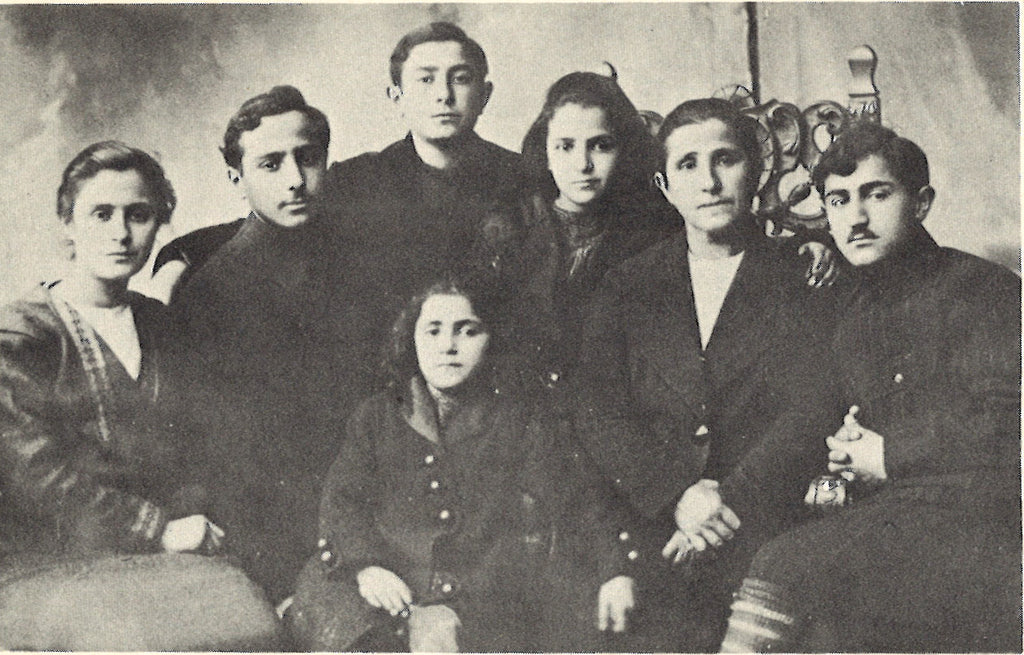
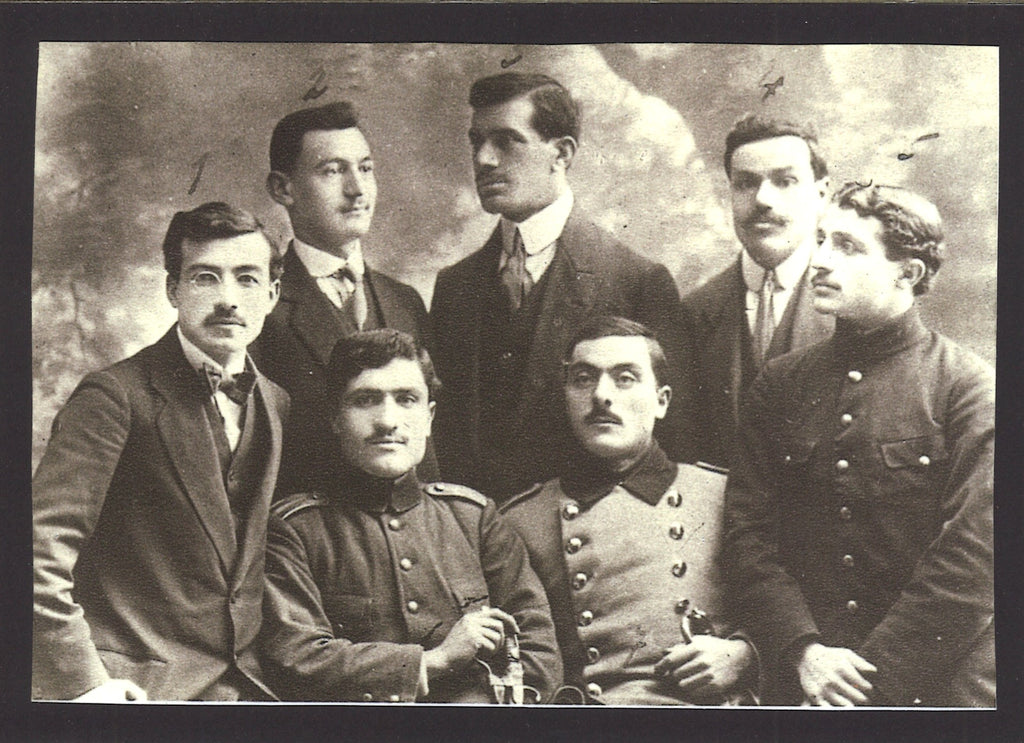 Haigazn Kazarian, working within the limitations of his time and place, was one of the first writers to attempt to write the history of the Armenian Genocide using archival documents and official records, and his pioneering role deserves to be remembered. Thumbnail photo circa 1914: Haigazn Kazarian is #2 from left standing.
The Avedis Derounian (John Roy Carlson) Archive: A Selection

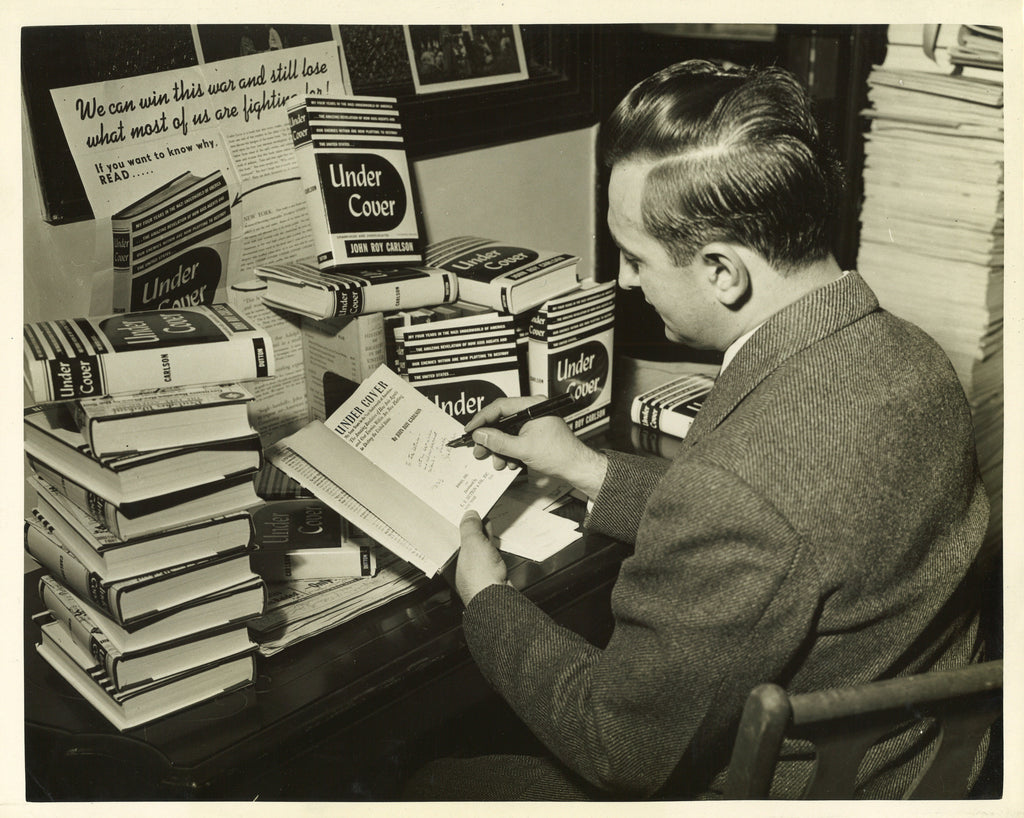 In the late 1930s and 1940s Armenian-American author and journalist Avedis Derounian (1909-91) went underground and infiltrated and collected materials on the full spectrum of U.S.-based extremist groups.
From Venice to Boston: The Awgerean Brothers, Hamilton Fish, and Vartan Gregorian

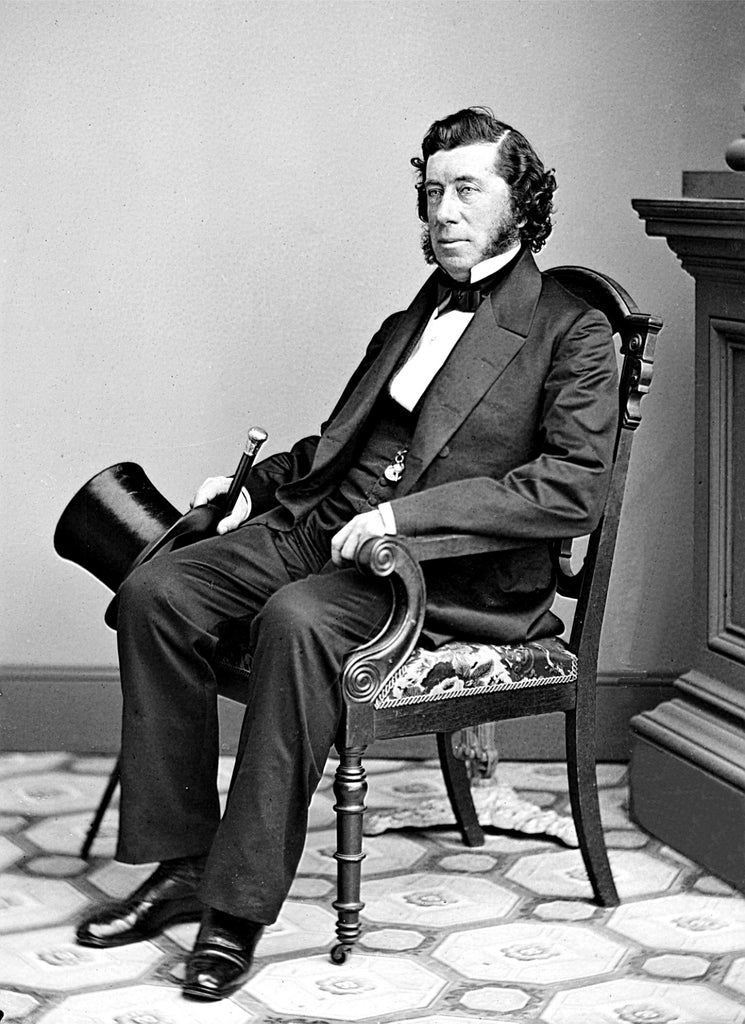 We offer this in tribute to all of those who keep the spirit of learning and the love of books alive, from the Mekhitarist Fathers of San Lazzaro to Vartan Gregorian.
E. A. Yeran: Pioneering Armenian-American Printer and Publisher, Part 2

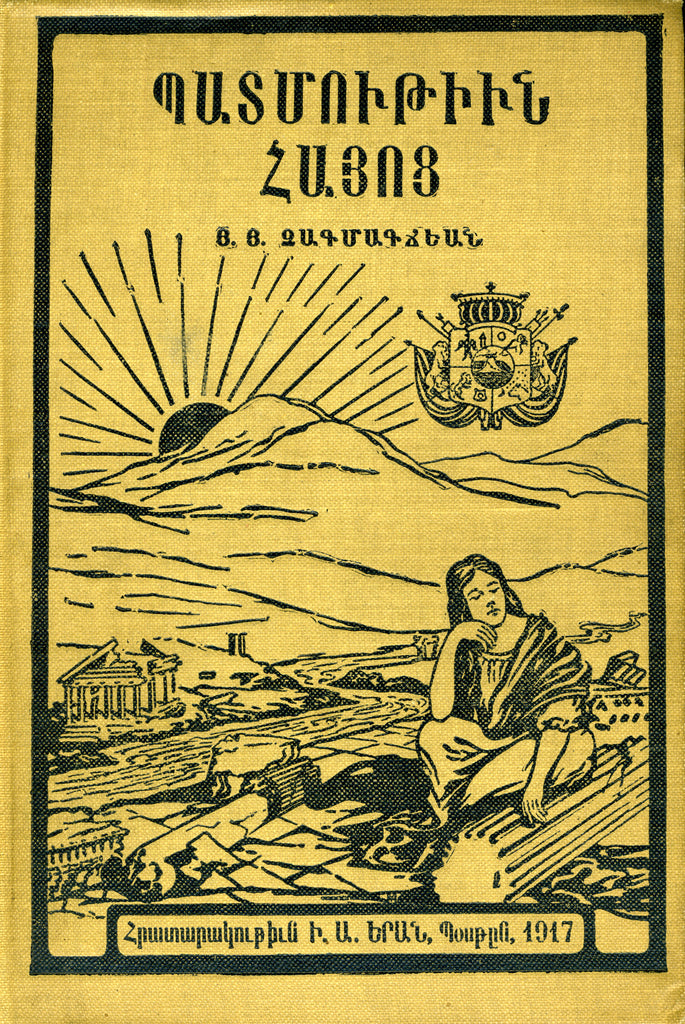 Part 1 of our Library Treasures feature on the work of Edward Arakel Yeran presented books published by his Yeran press through ca. 1915. Part 2 continues and brings to a conclusion this work.
E. A. Yeran: Pioneering Armenian-American Printer and Publisher, Part 1

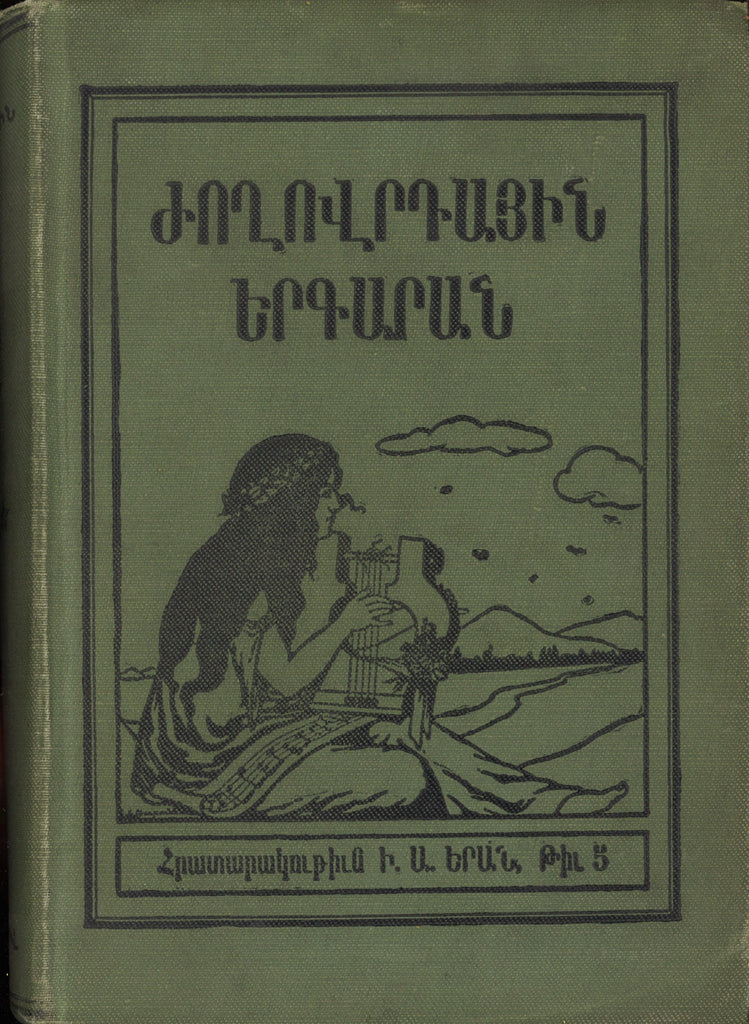 Although he was not the first Armenian-American publisher—that distinction belongs to Haigag Ēginian (Հայկակ Էկինեան)—occupying a special place among the early publishers stands E. A. Yeran and Yeran Press in Boston.
A Banquet for the Ages: The Civil and Military Missions of Armenia to the U.S. in Boston, 1919

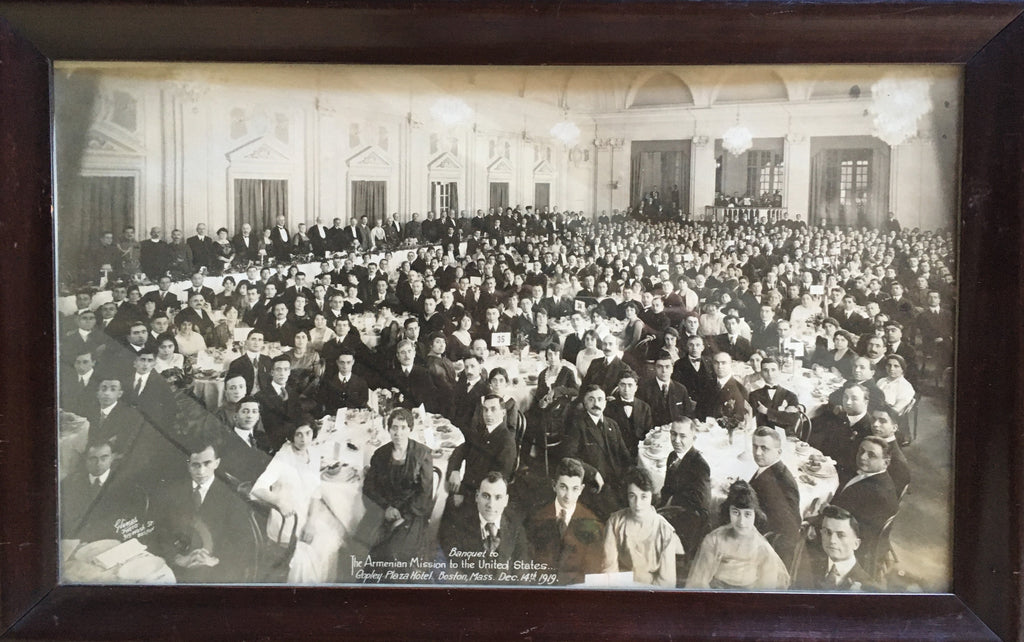 To mark May 28, the anniversary of the declaration of the first independent Republic of Armenia in 1918, we focus on one object from NAASR’s Mardigian Library.
Genocide Survivor Memoirs in Armenian & English, 1918-1955 ~Treasures of NAASR's Mardigian Library

 In this feature we highlight a group, by no means exhaustive, of memoirs by survivors of the Armenian Genocide published in Armenian and English between the years 1918 and 1955. In these memoirs we hear the voices of women and men, clergymen and political activists, natives of the eastern provinces of the Ottoman Empire and of western Asia Minor, Protestant and Apostolic, intellectuals and “average” women and men, as well as one non-Armenian, an Assyrian whose people suffered largely the same fate as the Armenians.
Khrimian Hayrik (1820-1907) ~ Treasures of NAASR's Mardigian Library

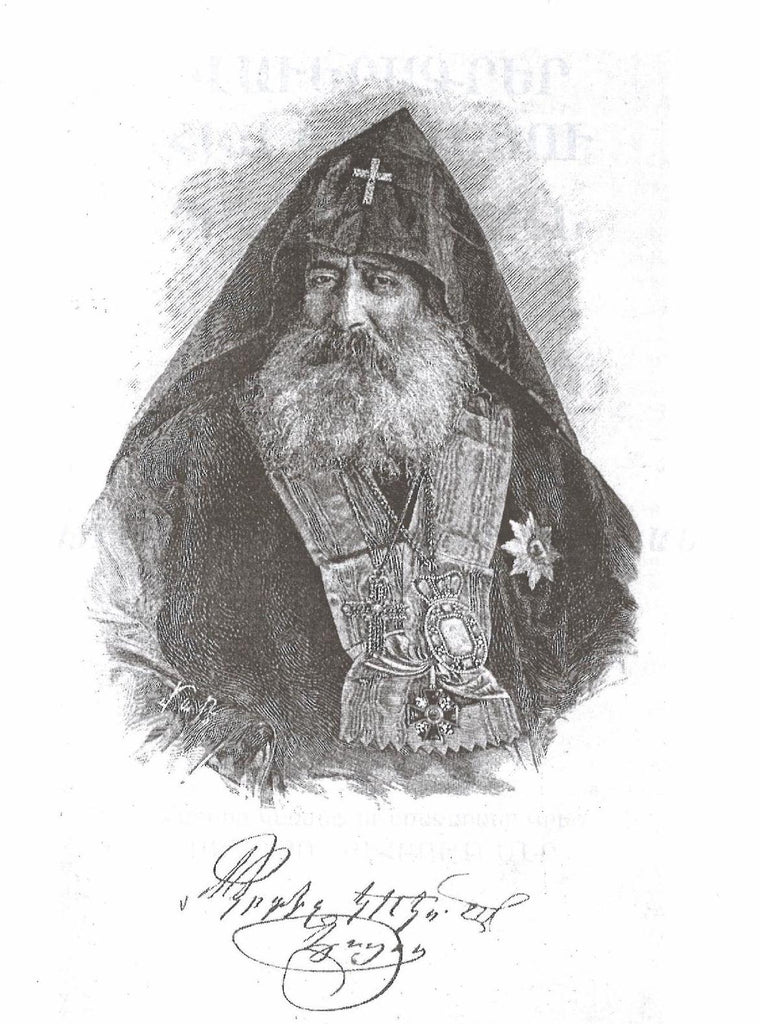 In 1820 two prominent Armenians were born who devoted their lives to Armenia and the Armenian people and were venerated by their contemporaries. Khrimian Hayrik (1820-1907) was an Armenian Apostolic Church leader, educator, and publisher who became the Patriarch of Constantinople and later Catholicos of All Armenians. Ghevond Alishan (1820-1901) was a philologist, historian, geographer, translator, a member of the Mkhitarist Congregation in Venice.
Armenian Architecture and Monuments of Artsakh (Nagorno-Karabakh) and the Work of RAA (Research on Armenian Architecture)

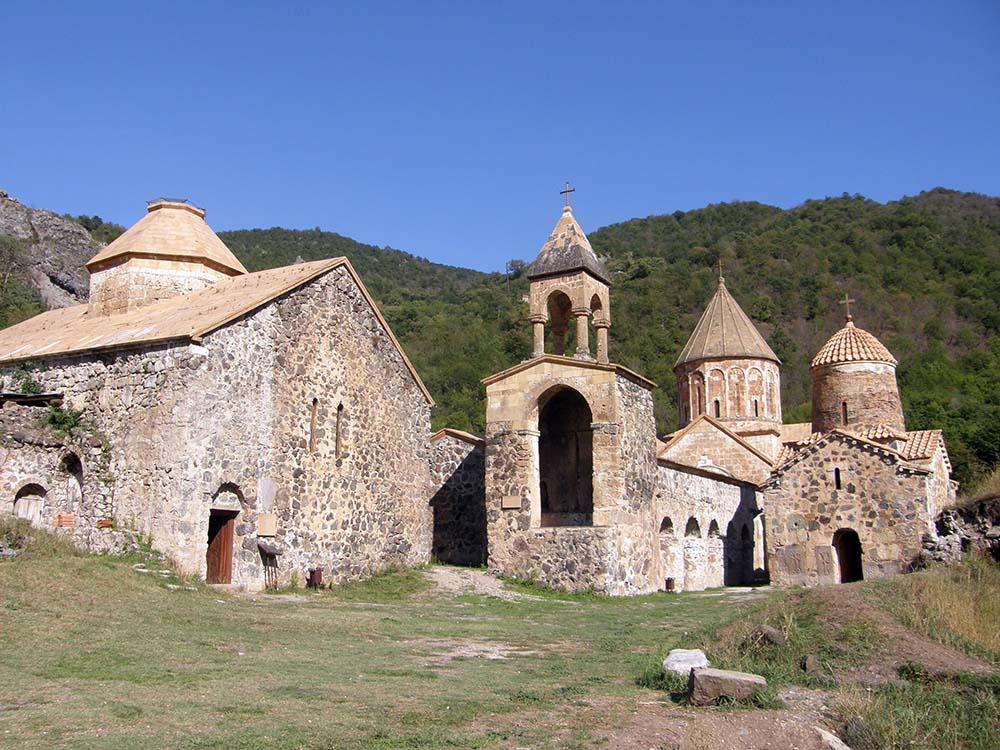
This special installment of Treasures of NAASR's Mardigian Library highlights the work of RAA (Research on Armenian Architecture) in Armenia which provide a wealth of information about the cultural heritage of Artsakh. We owe much to Samvel Karapetian and all who at RAA who contributed to this work in many capacities.
Treasures of NAASR's Mardigian Library ~ Literature in Translation (1920-1946): Part III

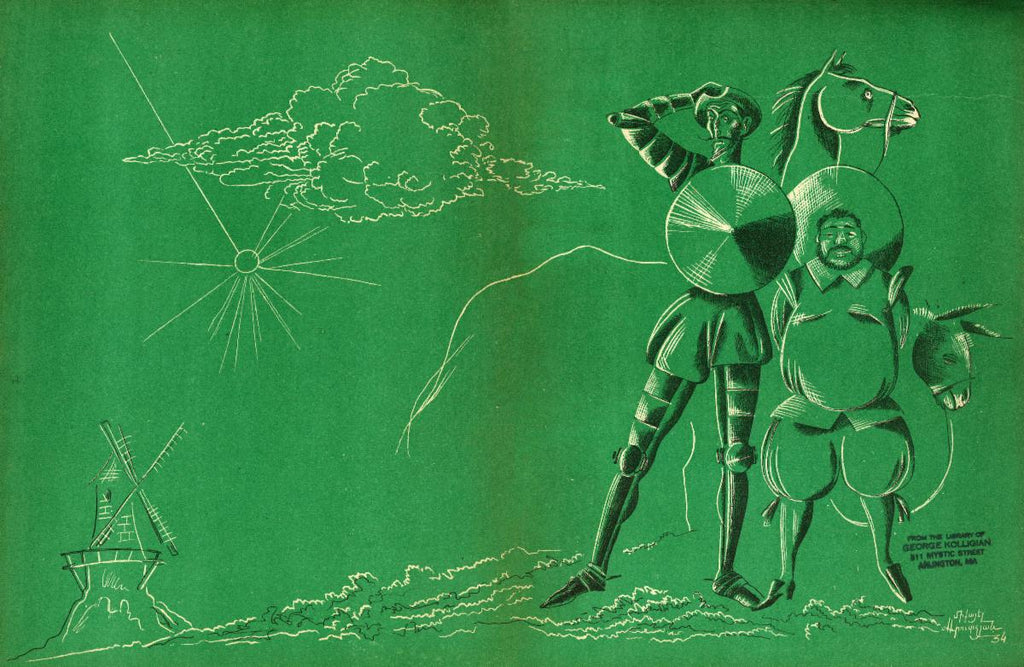 Part III, the final part of Literature in Translation, takes us from 1920 up to 1946. The post-World War II era saw further developments in terms of translations which lie beyond the scope of this feature (but could form the basis for future ones). Click here to read the full feature.