It has long resided in a folder within the Avedis Derounian Archive, which has been at NAASR since the early 1990s, inside an envelope labeled “Dr. Kaloustian,” but until recently we did not realize its significance, let alone that this year marks the 200th anniversary of this interesting individual’s birth.
In conjunction with the celebratory event NAASR held on May 6, 2023, marking the appointment of Christina Maranci as the third holder of the Mashtots Chair in Armenian Studies at Harvard University, we are devoting this Library Treasures installment to materials from NAASR’s own organizational archives pertaining to this organization’s pioneering effort to establish the first chair in Armenian Studies in the U.S.—or, indeed, anywhere in the Armenian diaspora in North America—focusing on the years from 1954 to the appointment of the first chairholder in 1969.
In the late 1930s and 1940s Armenian-American author and journalist Avedis Derounian (1909-91) went underground and infiltrated and collected materials on the full spectrum of U.S.-based extremist groups.
Part 1 of our Library Treasures feature on the work of Edward Arakel Yeran presented books published by his Yeran press through ca. 1915. Part 2 continues and brings to a conclusion this work.
Although he was not the first Armenian-American publisher—that distinction belongs to Haigag Ēginian (Հայկակ Էկինեան)—occupying a special place among the early publishers stands E. A. Yeran and Yeran Press in Boston.
To mark May 28, the anniversary of the declaration of the first independent Republic of Armenia in 1918, we focus on one object from NAASR’s Mardigian Library.
In this feature we highlight a group, by no means exhaustive, of memoirs by survivors of the Armenian Genocide published in Armenian and English between the years 1918 and 1955. In these memoirs we hear the voices of women and men, clergymen and political activists, natives of the eastern provinces of the Ottoman Empire and of western Asia Minor, Protestant and Apostolic, intellectuals and “average” women and men, as well as one non-Armenian, an Assyrian whose people suffered largely the same fate as the Armenians.
In 1820 two prominent Armenians were born who devoted their lives to Armenia and the Armenian people and were venerated by their contemporaries. Khrimian Hayrik (1820-1907) was an Armenian Apostolic Church leader, educator, and publisher who became the Patriarch of Constantinople and later Catholicos of All Armenians. Ghevond Alishan (1820-1901) was a philologist, historian, geographer, translator, a member of the Mkhitarist Congregation in Venice.
choosing a selection results in a full page refresh



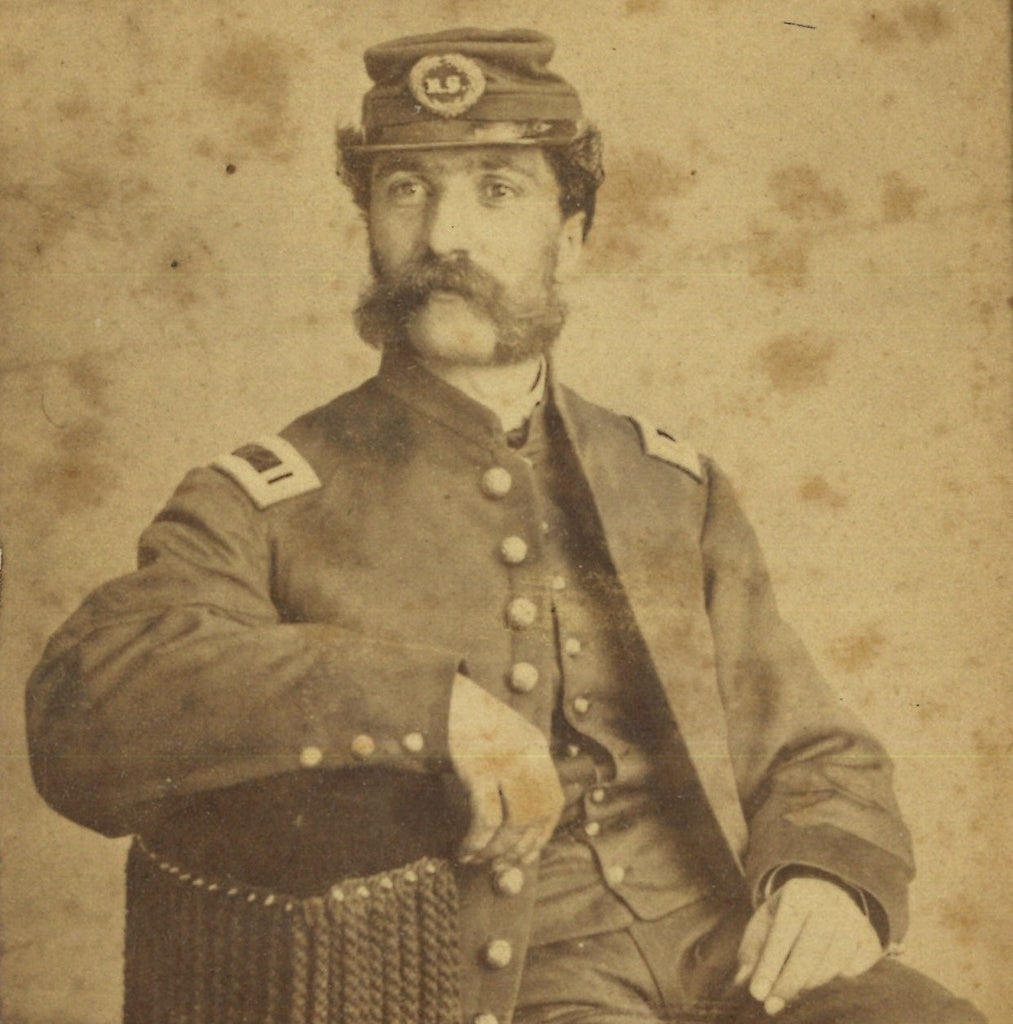 It has long resided in a folder within the Avedis Derounian Archive, which has been at NAASR since the early 1990s, inside an envelope labeled “Dr. Kaloustian,” but until recently we did not realize its significance, let alone that this year marks the 200th anniversary of this interesting individual’s birth.

 In conjunction with the celebratory event NAASR held on May 6, 2023, marking the appointment of Christina Maranci as the third holder of the Mashtots Chair in Armenian Studies at Harvard University, we are devoting this Library Treasures installment to materials from NAASR’s own organizational archives pertaining to this organization’s pioneering effort to establish the first chair in Armenian Studies in the U.S.—or, indeed, anywhere in the Armenian diaspora in North America—focusing on the years from 1954 to the appointment of the first chairholder in 1969.

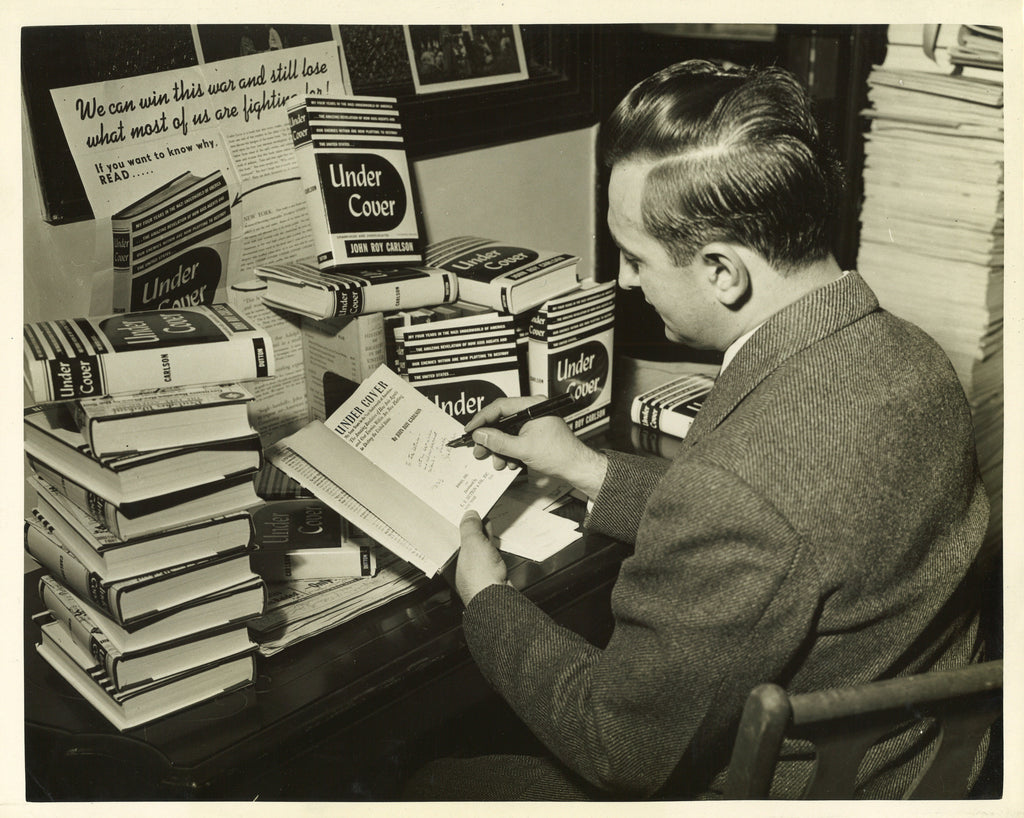 In the late 1930s and 1940s Armenian-American author and journalist Avedis Derounian (1909-91) went underground and infiltrated and collected materials on the full spectrum of U.S.-based extremist groups.

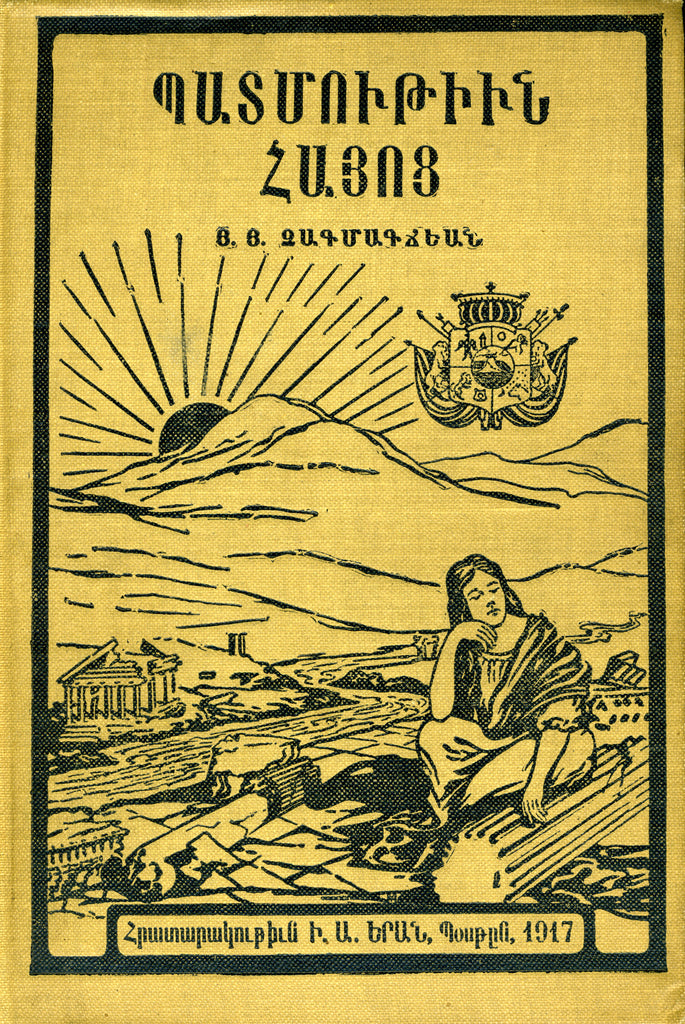 Part 1 of our Library Treasures feature on the work of Edward Arakel Yeran presented books published by his Yeran press through ca. 1915. Part 2 continues and brings to a conclusion this work.

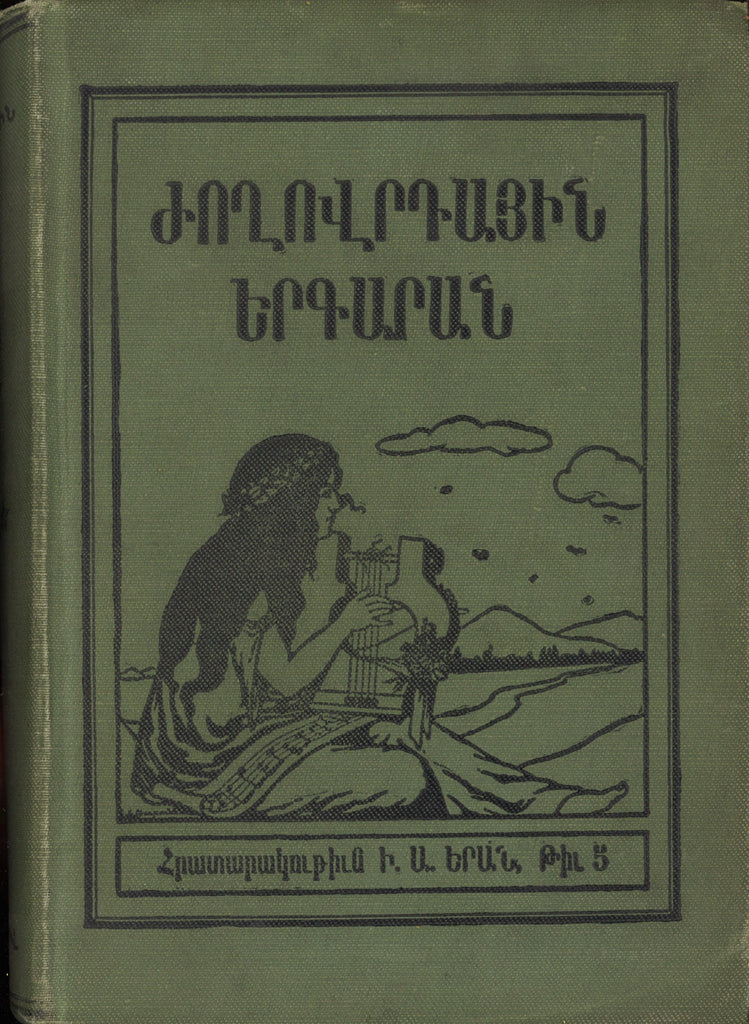 Although he was not the first Armenian-American publisher—that distinction belongs to Haigag Ēginian (Հայկակ Էկինեան)—occupying a special place among the early publishers stands E. A. Yeran and Yeran Press in Boston.

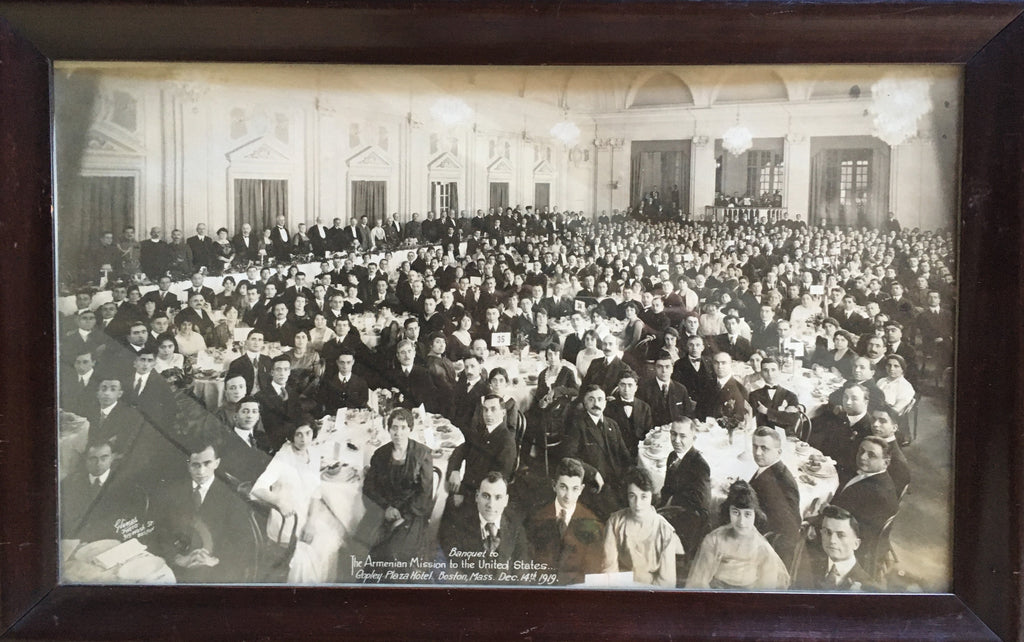 To mark May 28, the anniversary of the declaration of the first independent Republic of Armenia in 1918, we focus on one object from NAASR’s Mardigian Library.

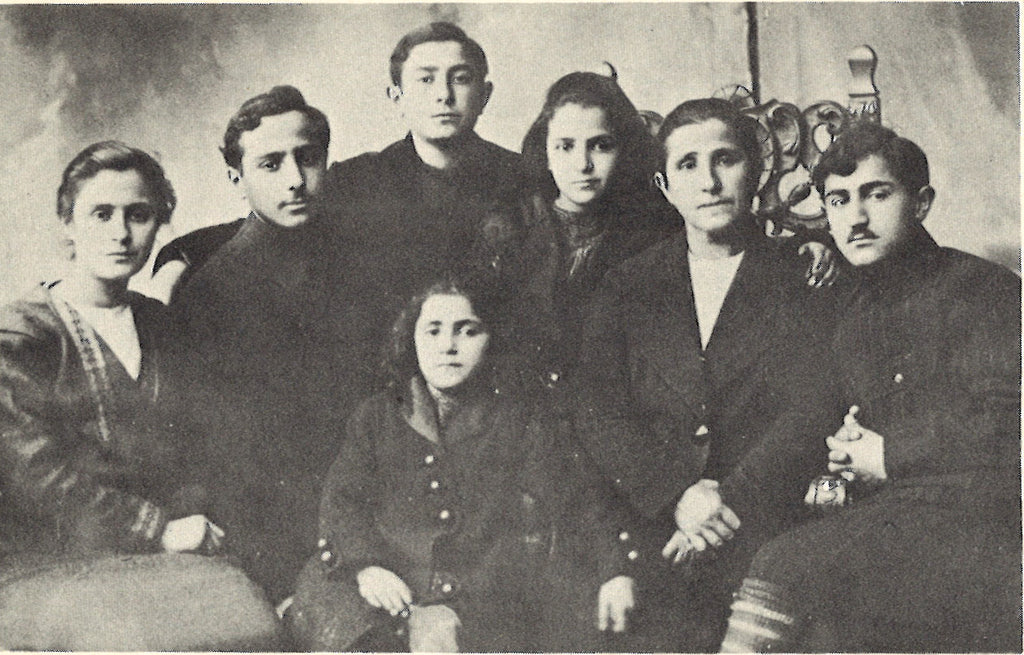 In this feature we highlight a group, by no means exhaustive, of memoirs by survivors of the Armenian Genocide published in Armenian and English between the years 1918 and 1955. In these memoirs we hear the voices of women and men, clergymen and political activists, natives of the eastern provinces of the Ottoman Empire and of western Asia Minor, Protestant and Apostolic, intellectuals and “average” women and men, as well as one non-Armenian, an Assyrian whose people suffered largely the same fate as the Armenians.

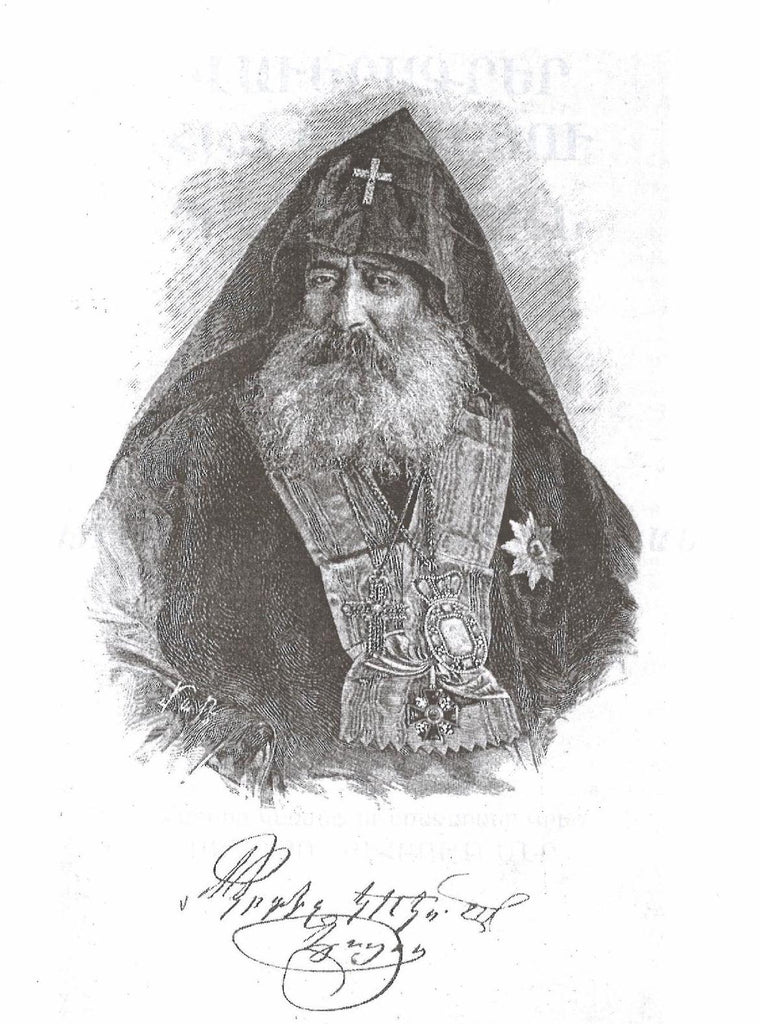 In 1820 two prominent Armenians were born who devoted their lives to Armenia and the Armenian people and were venerated by their contemporaries. Khrimian Hayrik (1820-1907) was an Armenian Apostolic Church leader, educator, and publisher who became the Patriarch of Constantinople and later Catholicos of All Armenians. Ghevond Alishan (1820-1901) was a philologist, historian, geographer, translator, a member of the Mkhitarist Congregation in Venice.