The Armenian contribution to Ottoman photography is supposedly well known, with histories documenting the famous studios of the imperial capital, Ottoman Armenian-run establishments that produced Orientalist visions for tourists and images of modernity for a domestic elite.
Claude Mutafian’s most recent book, Jérusalem et les Arméniens: Jusqu’à la conquête ottomane (1516), presents the relations between Armenia and Jerusalem in their historical and artistic context with an abundance of maps, genealogical charts, and images.
With over 5.5 million maps, the Library of Congress holds the world’s largest cartographic collection. In this illustrated lecture, the Library’s Armenian and Georgian Area Specialist Dr. Khatchig Mouradian tells the stories behind a selection of maps of Armenia or by Armenian cartographers that have made their way into this collection, taking us through a journey across the globe and over the centuries.
In this talk, Dr. Ümit Kurt explores Mimaroğlu’s biography including his relationship with the Armenian journalist and professor Diran Kelekian, who was arrested by his former student Mimaroğlu in April 1915 and killed; examine the continuation of a genocidal regime in the modern Turkish Republic and how genocidaires such as Mimaroğlu constituted core elements of the new state; and explore what kinds of administrative/bureaucratic mechanisms made the Armenian Genocide possible and how technocrats like Mustafa Reşat, taking charge of these mechanisms, facilitated the genocide for political decision-makers.
Author and lawyer Matthew Karanian discusses how a series of maps that his great uncle Mardiros Kheranian produced one century ago encouraged Matthew's own research of ancient Armenia, and guided him along the way. Matthew has published several books about Armenia.
Thirty years after the war in Abkhazia (1992-1993), the Armenians of Abkhazia are embedded in the fragile process of Abkhazian national construction. Within this young ethnic democracy, they are thus regularly questioned on several aspects of their identity: Are they Abkhazians or Armenians? Are the Hamshen and Armenian identities contradictory? How do they identify themselves and how are they identified by the Abkhazian State? Finally, what might their relationship to the Republic of Armenia be?
The presentation undertakes a close reading of a major painting – Provincial Wedding in Moush – by the notable, but now forgotten, Constantinople artist Garabed ‘Charles’ Nichanian (1861-1950).
The presentation provided an overview of the collections and a demonstration on how to use the Visual History Archive by Manuk Avedikyan, former program officer (Armenian Genocide collections) at USC Shoah Foundation.
Dr. Roy Knocke sheds light on Nansen humanitarian merits during the interwar period, especially on his commitment for the Armenians, a people to whom he admiringly dedicated one of his last books Gjennem Armenia in 1927 (translated as Armenia and the Near East in 1928).
Dennis Papazian's journey is a classic American immigrant tale. Through it all, he shares his wit, resilience, keen sense of perception, and vision, as well as the memorable characters he meets along the way, as he reflects on his consequential, eventful, and at times surprising life. It is a story that will inspire and give hope to all who join him on his journey.



 The Armenian contribution to Ottoman photography is supposedly well known, with histories documenting the famous studios of the imperial capital, Ottoman Armenian-run establishments that produced Orientalist visions for tourists and images of modernity for a domestic elite.

 Claude Mutafian’s most recent book, Jérusalem et les Arméniens: Jusqu’à la conquête ottomane (1516), presents the relations between Armenia and Jerusalem in their historical and artistic context with an abundance of maps, genealogical charts, and images.

 With over 5.5 million maps, the Library of Congress holds the world’s largest cartographic collection. In this illustrated lecture, the Library’s Armenian and Georgian Area Specialist Dr. Khatchig Mouradian tells the stories behind a selection of maps of Armenia or by Armenian cartographers that have made their way into this collection, taking us through a journey across the globe and over the centuries.

 In this talk, Dr. Ümit Kurt explores Mimaroğlu’s biography including his relationship with the Armenian journalist and professor Diran Kelekian, who was arrested by his former student Mimaroğlu in April 1915 and killed; examine the continuation of a genocidal regime in the modern Turkish Republic and how genocidaires such as Mimaroğlu constituted core elements of the new state; and explore what kinds of administrative/bureaucratic mechanisms made the Armenian Genocide possible and how technocrats like Mustafa Reşat, taking charge of these mechanisms, facilitated the genocide for political decision-makers.

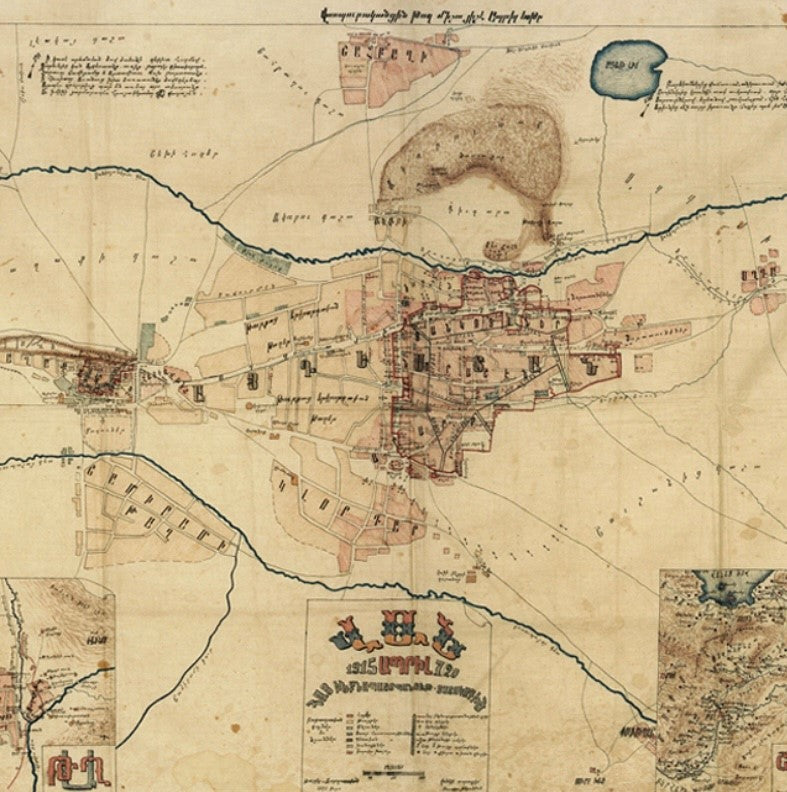 Author and lawyer Matthew Karanian discusses how a series of maps that his great uncle Mardiros Kheranian produced one century ago encouraged Matthew's own research of ancient Armenia, and guided him along the way. Matthew has published several books about Armenia.

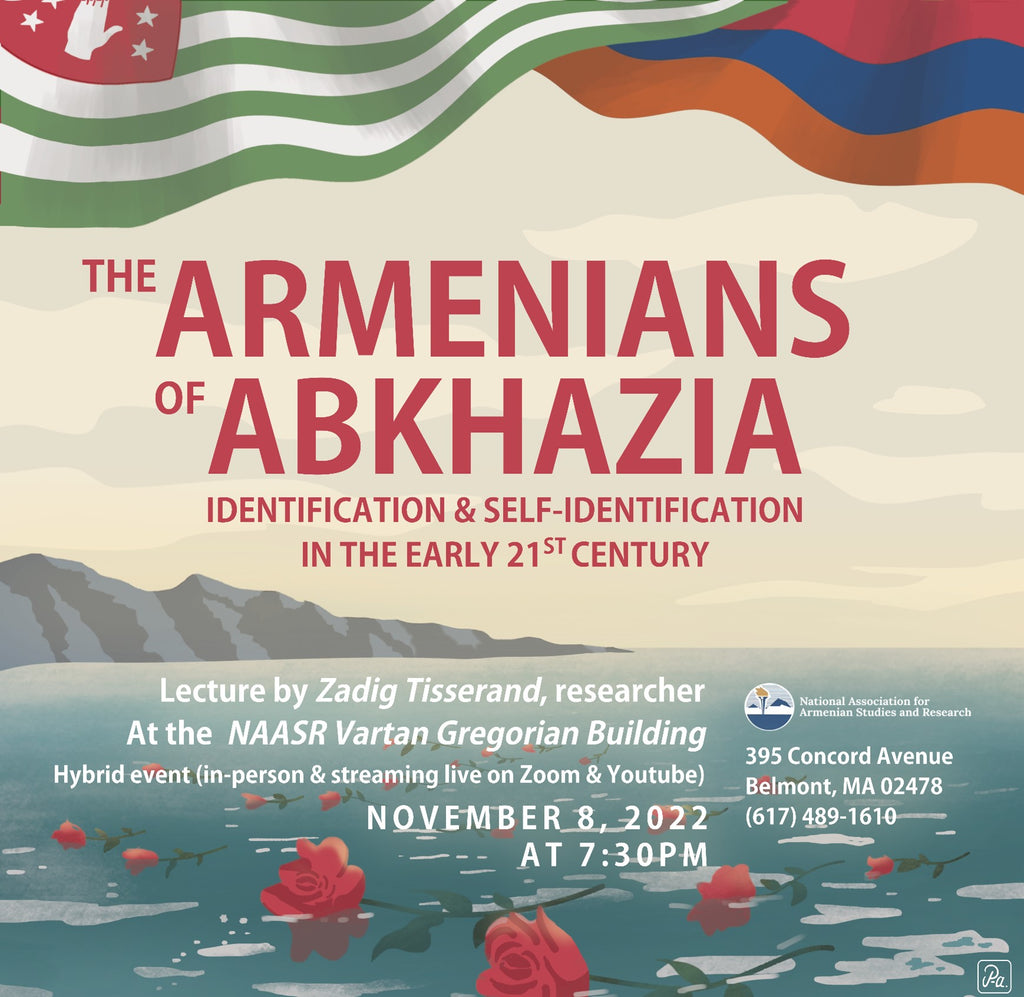 Thirty years after the war in Abkhazia (1992-1993), the Armenians of Abkhazia are embedded in the fragile process of Abkhazian national construction. Within this young ethnic democracy, they are thus regularly questioned on several aspects of their identity: Are they Abkhazians or Armenians? Are the Hamshen and Armenian identities contradictory? How do they identify themselves and how are they identified by the Abkhazian State? Finally, what might their relationship to the Republic of Armenia be?

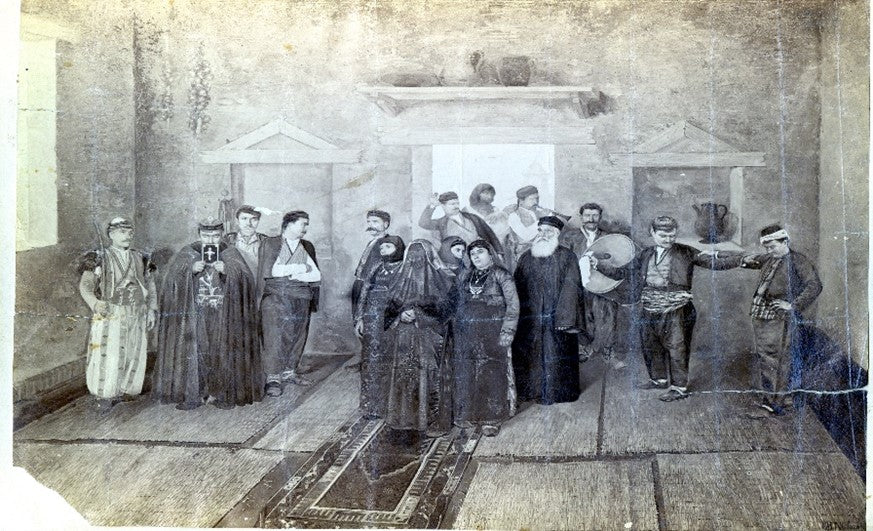 The presentation undertakes a close reading of a major painting – Provincial Wedding in Moush – by the notable, but now forgotten, Constantinople artist Garabed ‘Charles’ Nichanian (1861-1950).

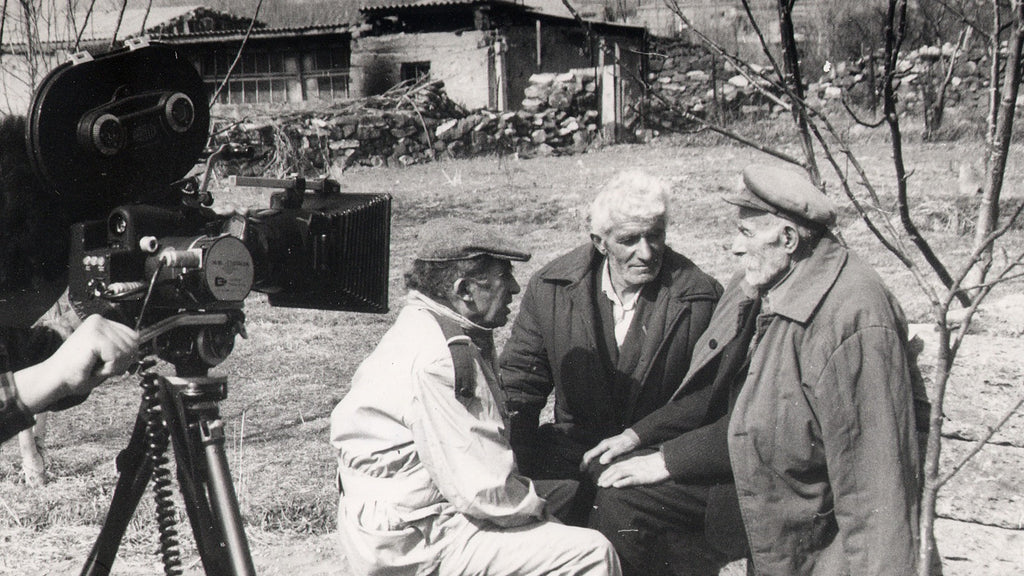 The presentation provided an overview of the collections and a demonstration on how to use the Visual History Archive by Manuk Avedikyan, former program officer (Armenian Genocide collections) at USC Shoah Foundation.

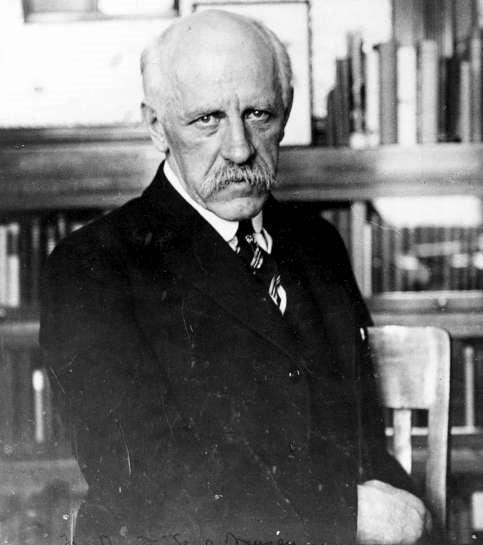 Dr. Roy Knocke sheds light on Nansen humanitarian merits during the interwar period, especially on his commitment for the Armenians, a people to whom he admiringly dedicated one of his last books Gjennem Armenia in 1927 (translated as Armenia and the Near East in 1928).

 Dennis Papazian's journey is a classic American immigrant tale. Through it all, he shares his wit, resilience, keen sense of perception, and vision, as well as the memorable characters he meets along the way, as he reflects on his consequential, eventful, and at times surprising life. It is a story that will inspire and give hope to all who join him on his journey.